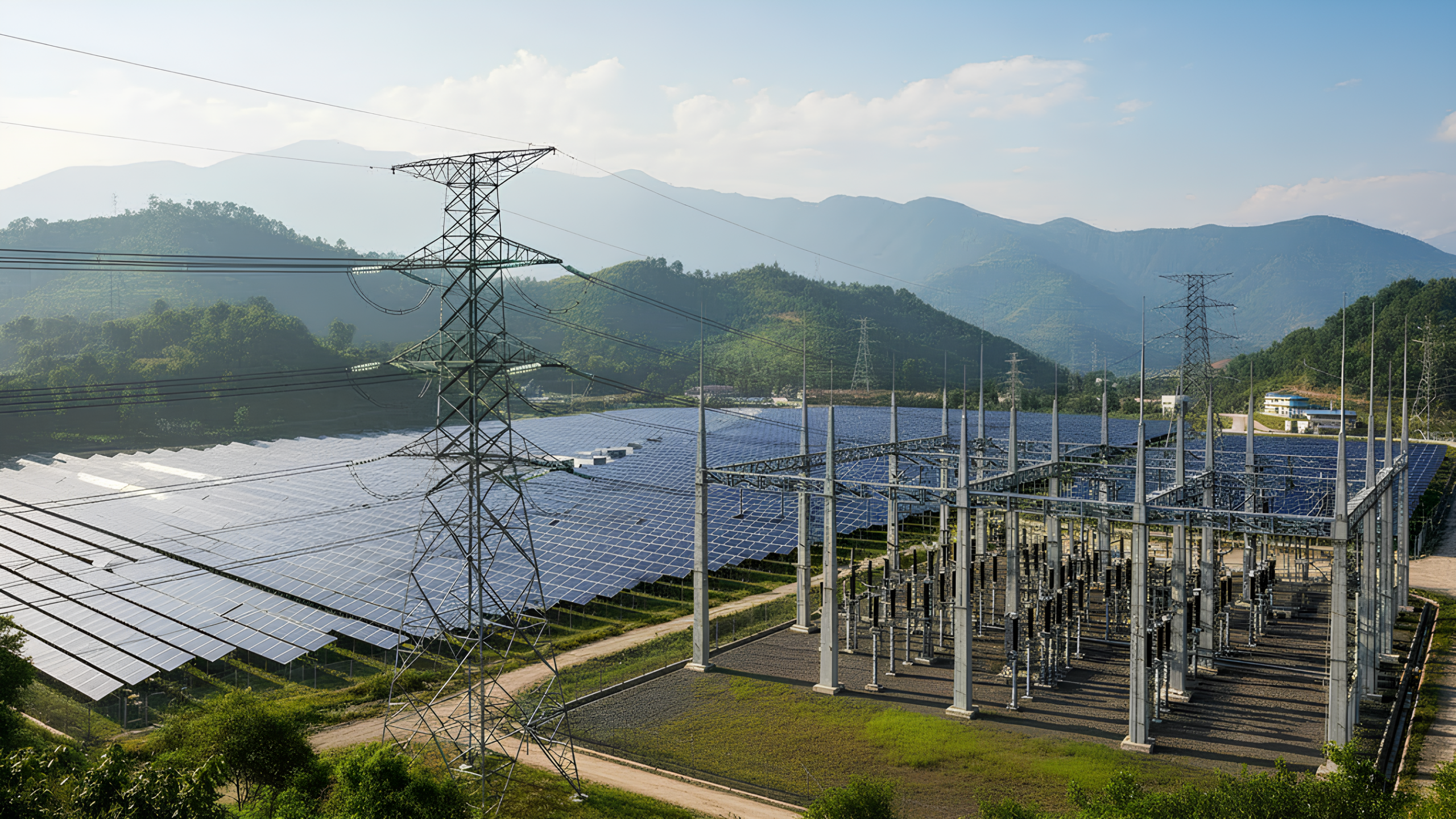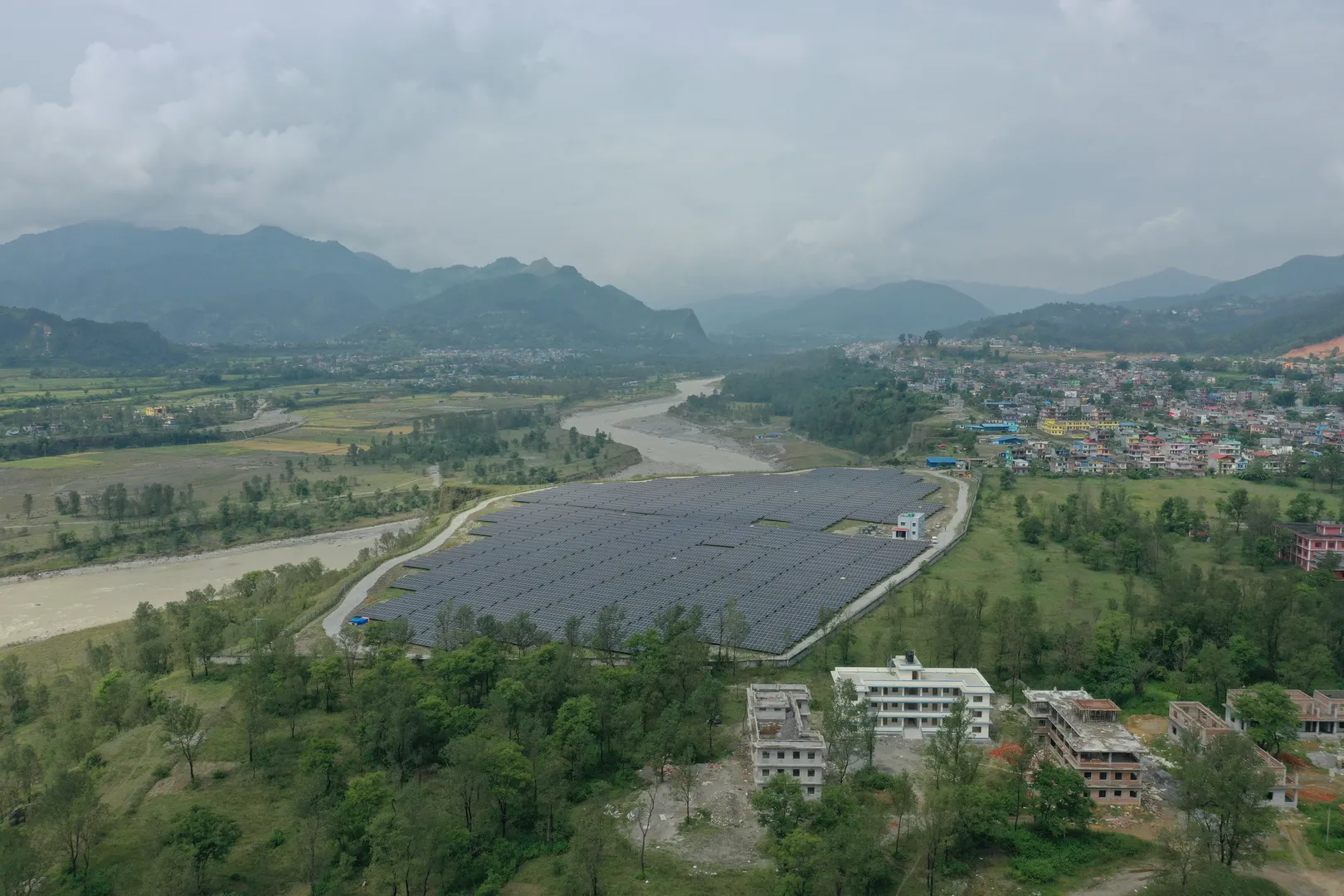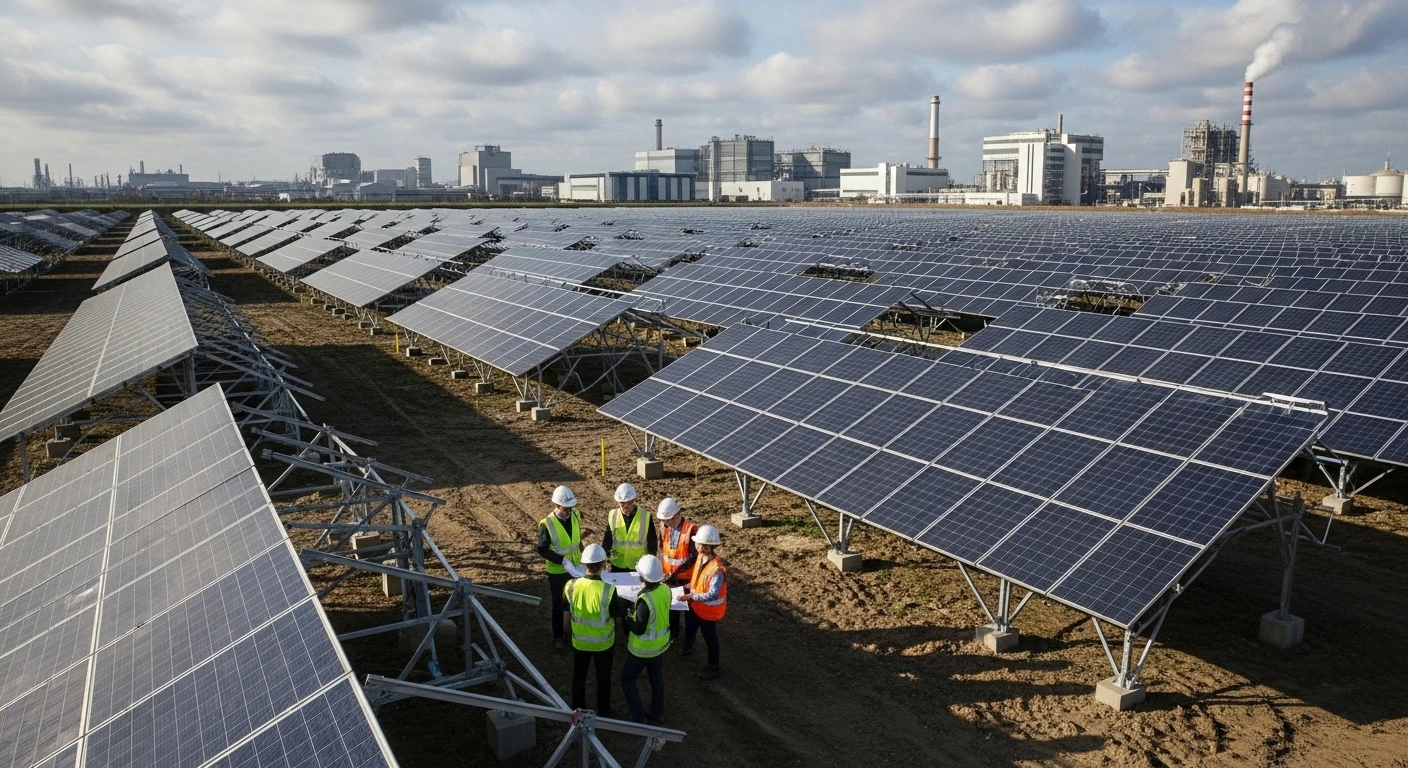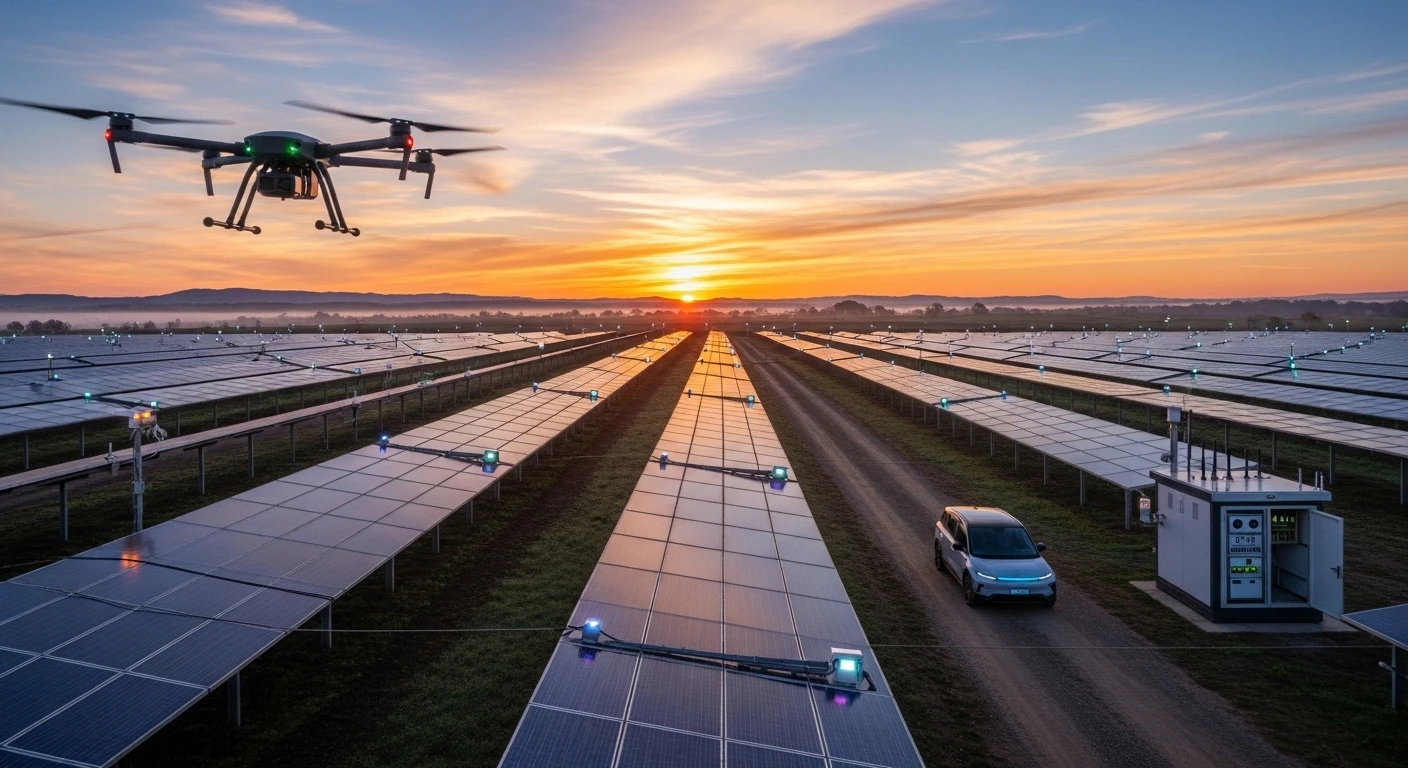
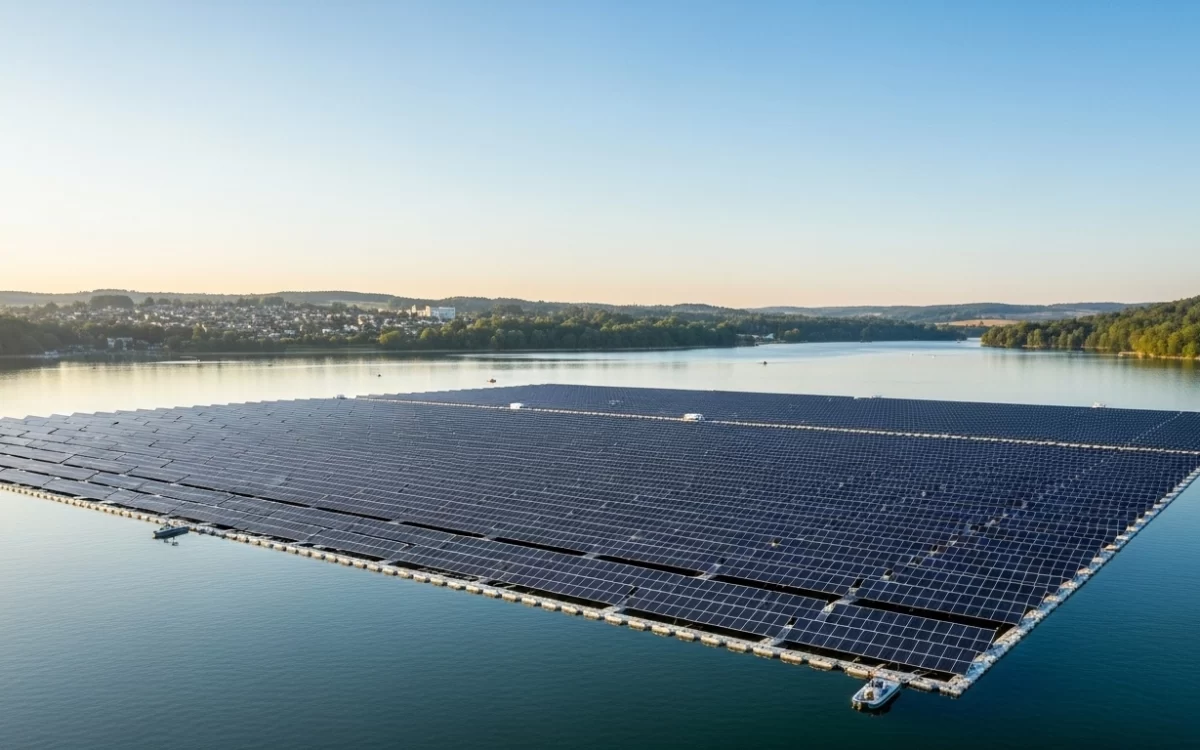
Urban expansion and rising industrial energy demand in India and Nepal limit land availability for traditional ground-mounted PV installations. Floating solar provides a practical alternative, delivering land savings while boosting energy production. Natural water cooling lowers module temperatures by 3–5°C, improving efficiency by 5–10 percent.
Design and Structural Stability
Floating solar systems use hydrodynamic designs and robust anchoring to stay stable against currents and waves. Corrosion-resistant floats and UV-stable materials ensure long-term durability. Combined with energy storage and grid integration, these systems can deliver power reliably even under variable demand. For related insights, see our blog on Solar Energy Innovations Closing 2025.
Operational Challenges
Despite the advantages, floating solar requires careful operational planning:
-
- Biofouling: Algae and floating debris can accumulate on panels and affect output.
-
- Maintenance access: Regular inspections are critical for sustained performance.
-
- Structural fatigue: Continuous water motion can stress mounts and floats.
Although upfront costs are higher than ground-mounted PV, the improved energy yield and efficient land use often justify the investment. For technical reference, consult the International Renewable Energy Agency (IRENA) floating PV report.
Maximizing Performance and ROI

Effectively implementing floating solar allows developers to:
-
- Increase energy output while using limited land efficiently.
- Maintain high efficiency through natural cooling and robust system design.
- Achieve consistent long-term financial returns with strategic planning, anchoring, and maintenance.
Floating PV is a scalable solution for regions with limited land. By combining innovative design, operational best practices, and strategic planning, developers can maximize energy production while ensuring long-term reliability.
Explore how floating solar can optimize your projects and maximize energy efficiency on tight sites.