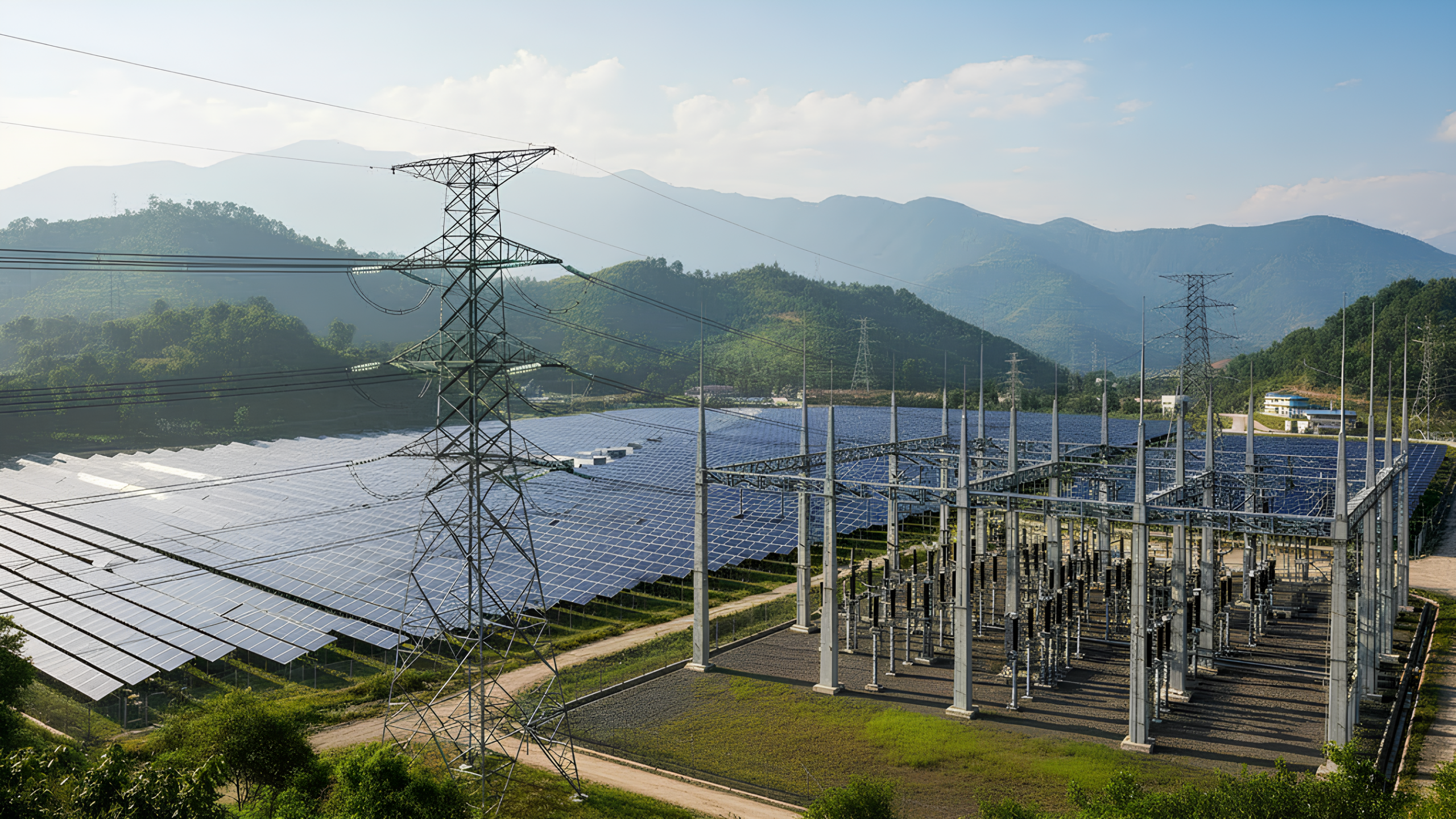
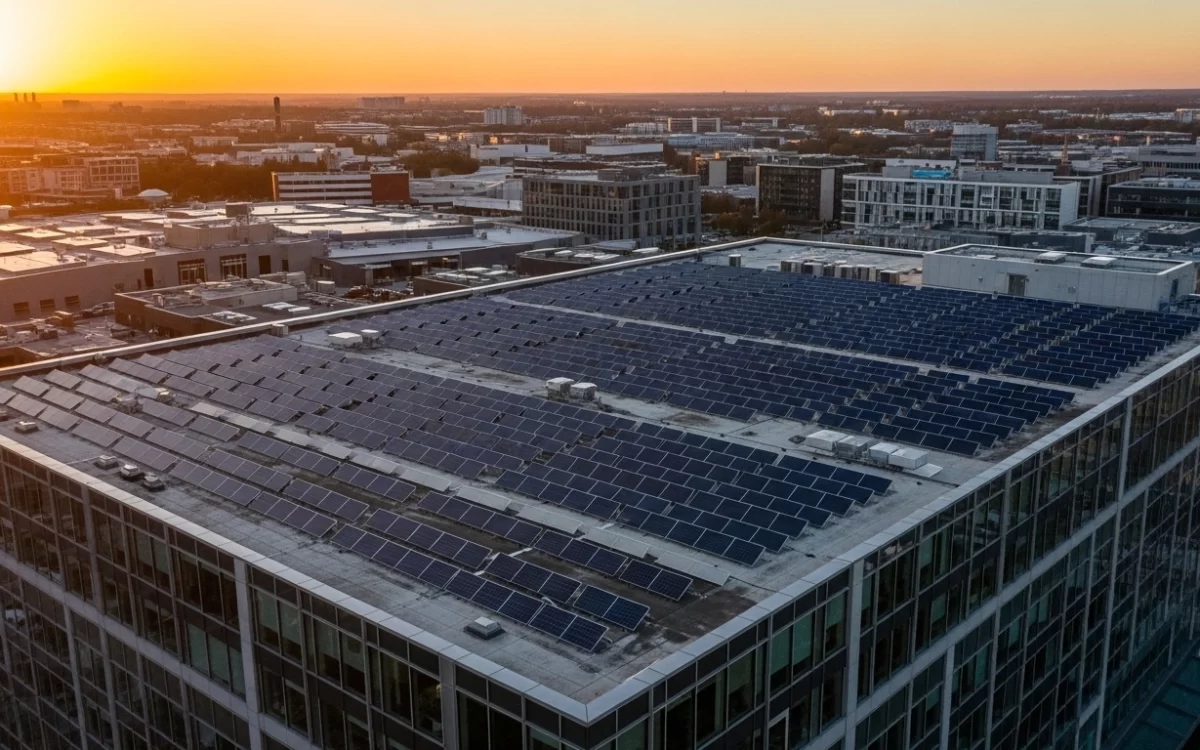
Commercial rooftop solar projects often face unique challenges. Limited roof space, shading, and structural load restrictions can reduce energy output. In India and Nepal, projects that combine precision engineering, optimized module placement, and predictive monitoring have achieved up to 18% higher ROI compared to conventional designs.
Optimized Module Layout and Electrical Design
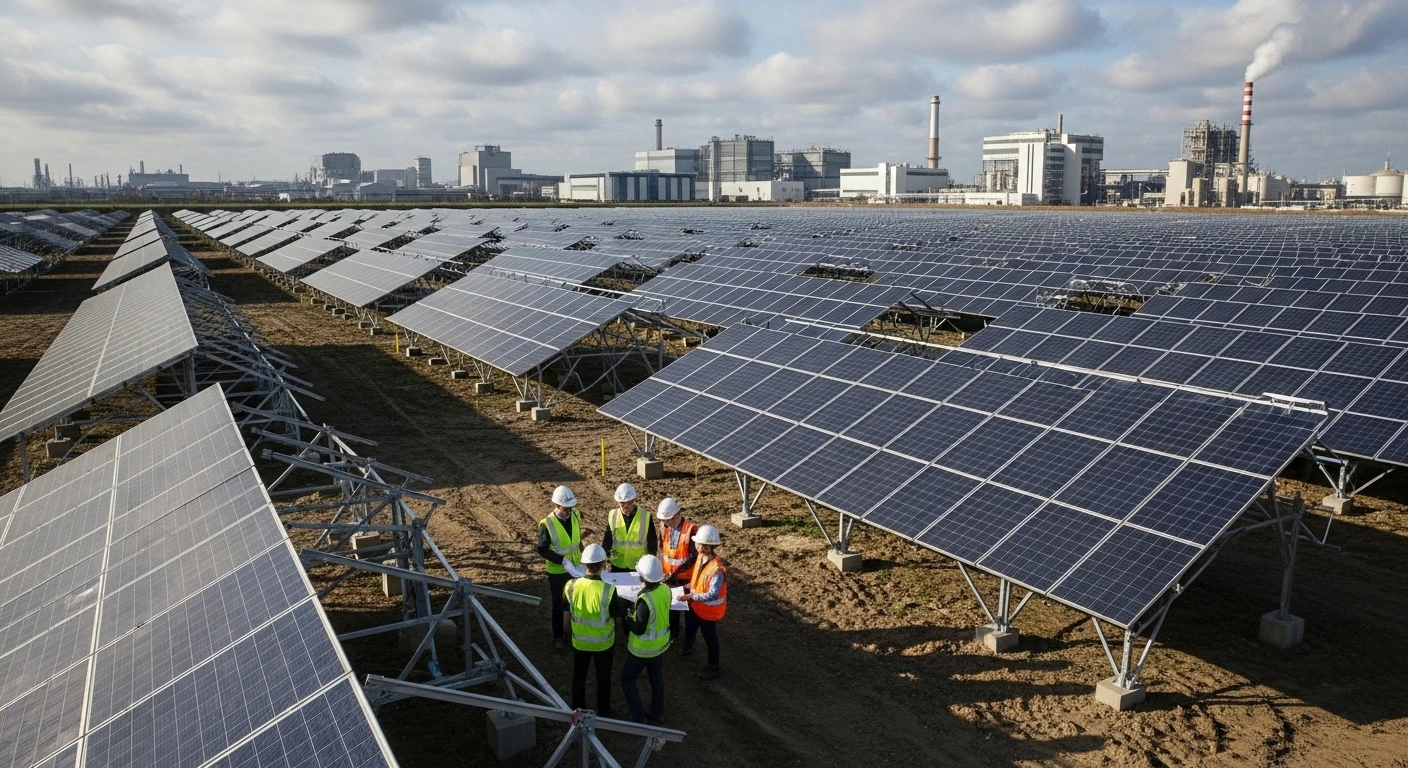
High-resolution shadow mapping and structural simulations guide the placement of high-efficiency bifacial modules. These modules capture both direct and reflected sunlight, maximizing energy yield even in limited spaces. Multi-MPPT string inverters ensure optimal performance under partial shading.
In addition, careful DC/AC ratio calibration and voltage drop minimization improve overall electrical efficiency. For related insights on commercial rooftop solar, see Proven Technical Decisions That Can Boost Solar PV Plant Efficiency
AI-Powered Predictive Monitoring
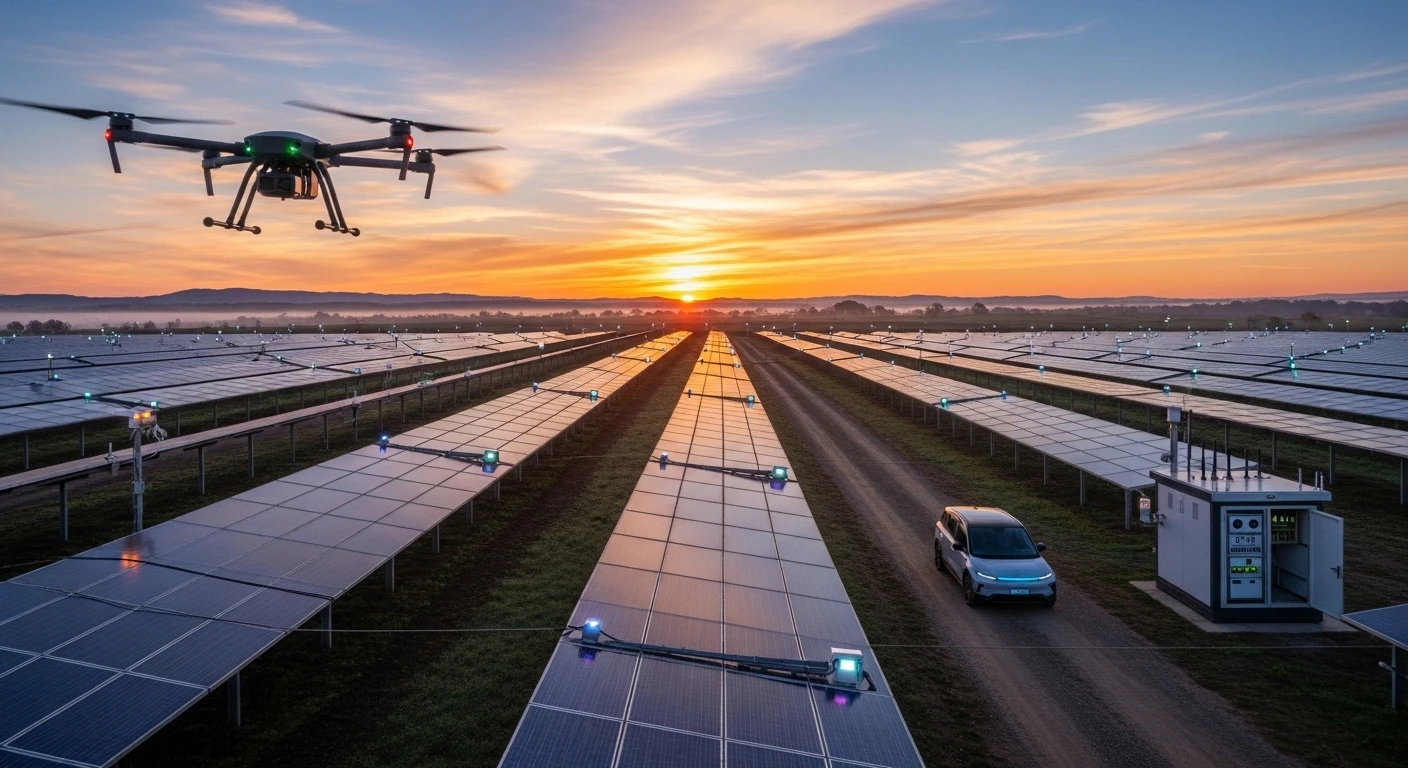
IoT-enabled SCADA platforms collect module-level data. Additionally, AI-driven analytics detect underperforming strings and forecast potential failures. As a result, proactive monitoring reduces downtime, maintains steady output, and enhances financial performance. South Asian commercial rooftop solar projects report up to 15% less annual downtime when predictive analytics are implemented. Learn more SCADA predictive maintenance for advanced rooftop monitoring.
Site-Specific Engineering Considerations
-
- India: High solar irradiance boosts generation. Roofs must handle heat, dust, and thermal stress. Reinforced mounts and inverter cooling are essential.
-
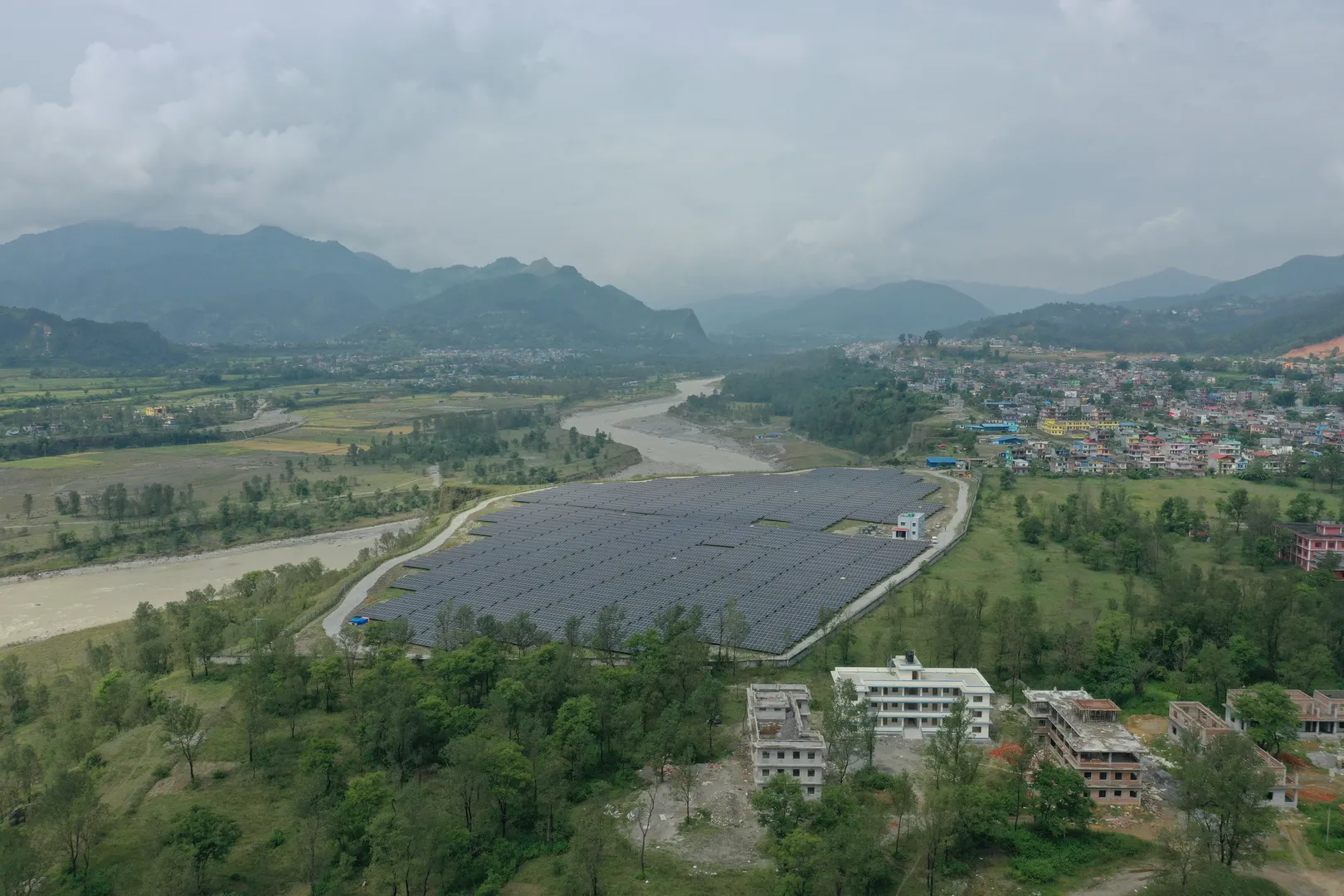
- Nepal: Cooler, high-altitude conditions improve module efficiency. Seismic activity and monsoon rainfall require stronger mounting and careful cabling. Following NEA standards ensures safe grid integration and long-term reliability.
- Nepal: Cooler, high-altitude conditions improve module efficiency. Seismic activity and monsoon rainfall require stronger mounting and careful cabling. Following NEA standards ensures safe grid integration and long-term reliability.
Technical Summary
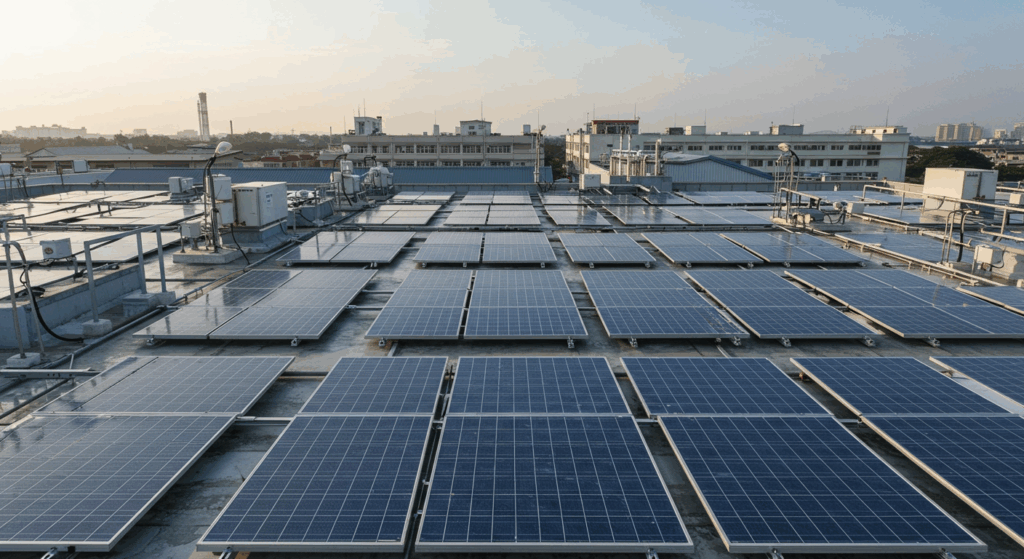
Every technical decision in commercial rooftop solar projects, from module positioning to predictive monitoring, impacts ROI. Projects that apply these advanced engineering practices achieve higher energy output, less downtime, and stronger long-term financial returns.om module positioning to predictive monitoring, impacts ROI. Projects that apply these advanced engineering practices achieve higher energy output, less downtime, and stronger long-term financial returns.
For more insights on optimizing rooftop solar performance, explore our other technical resources and case studies to stay ahead in commercial solar project planning.