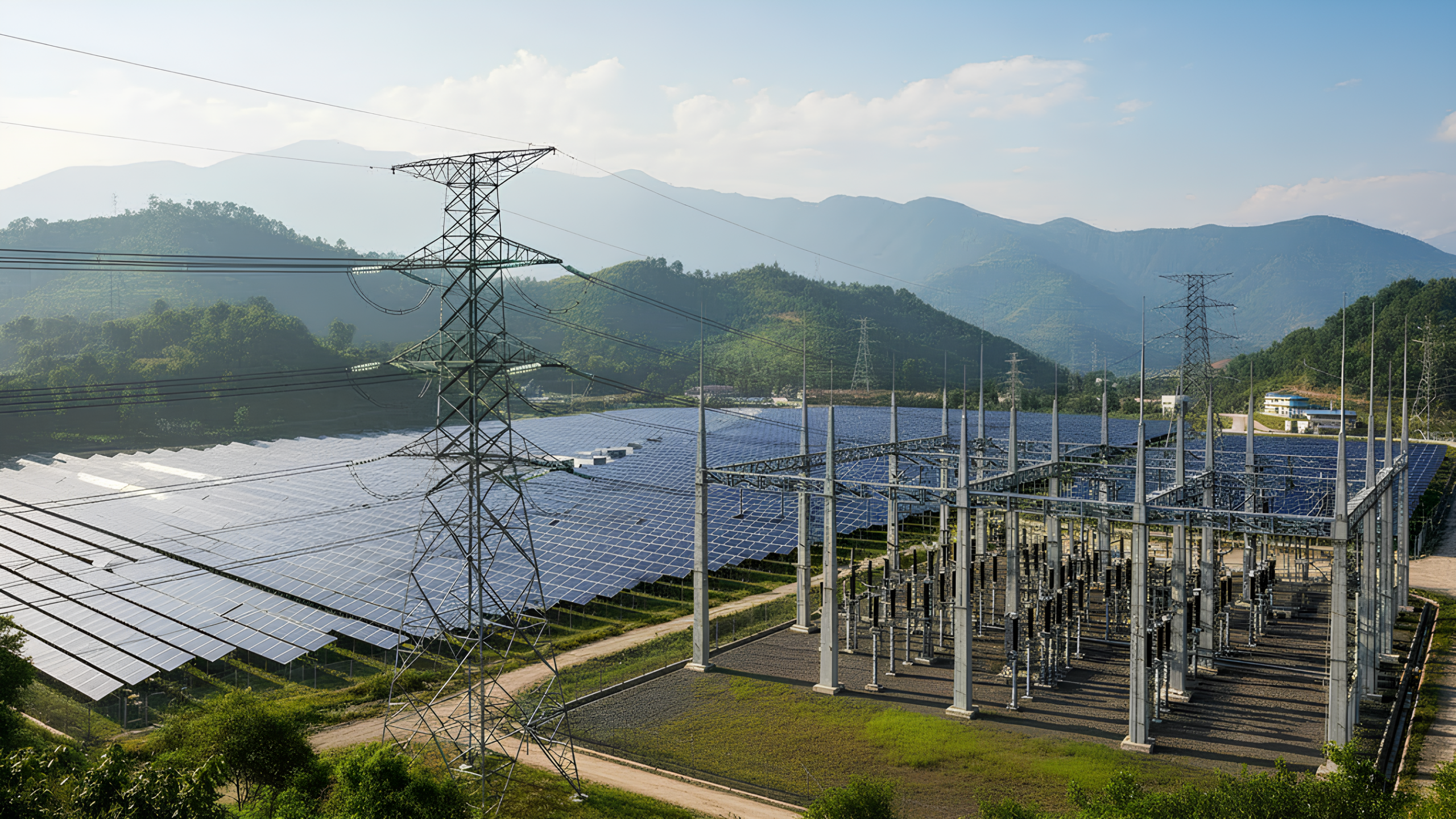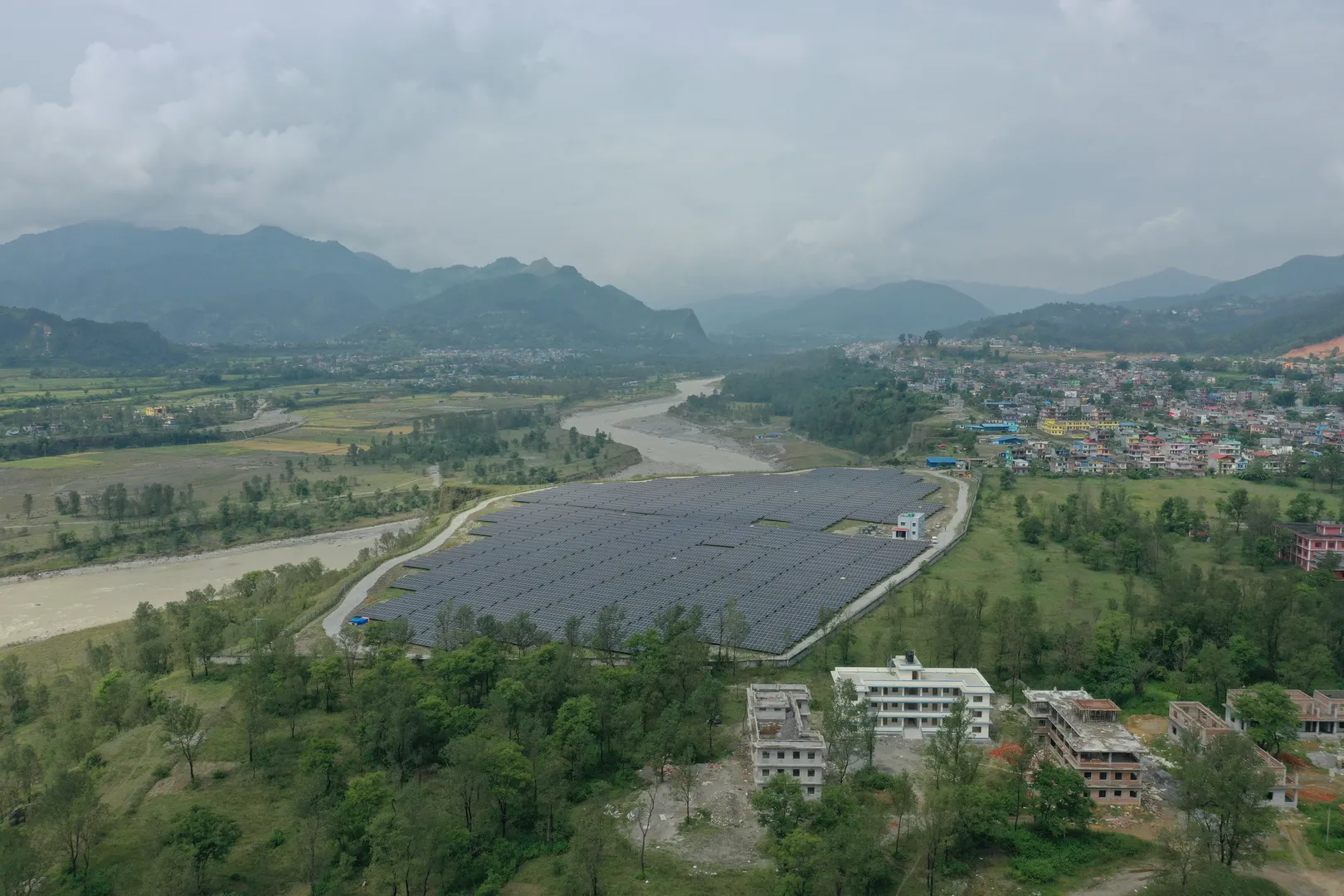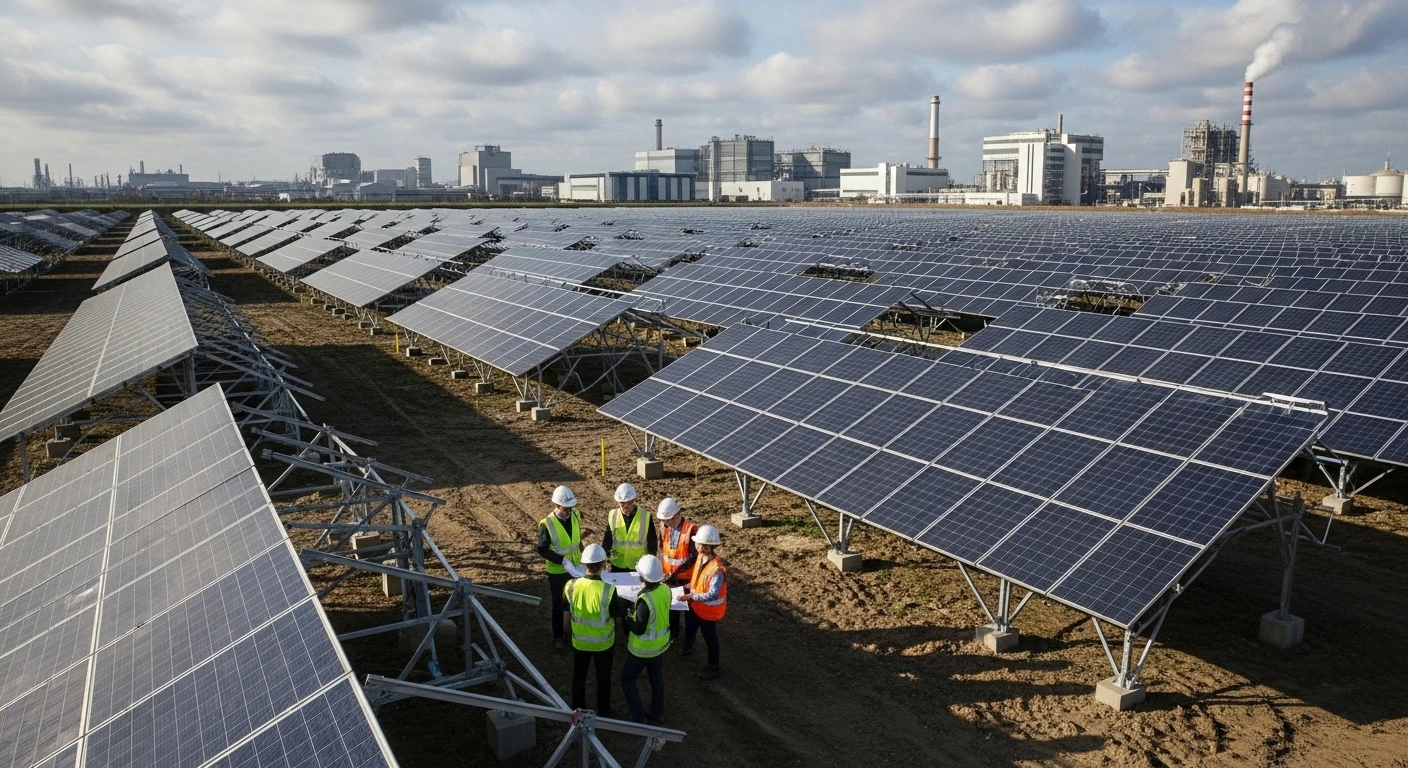
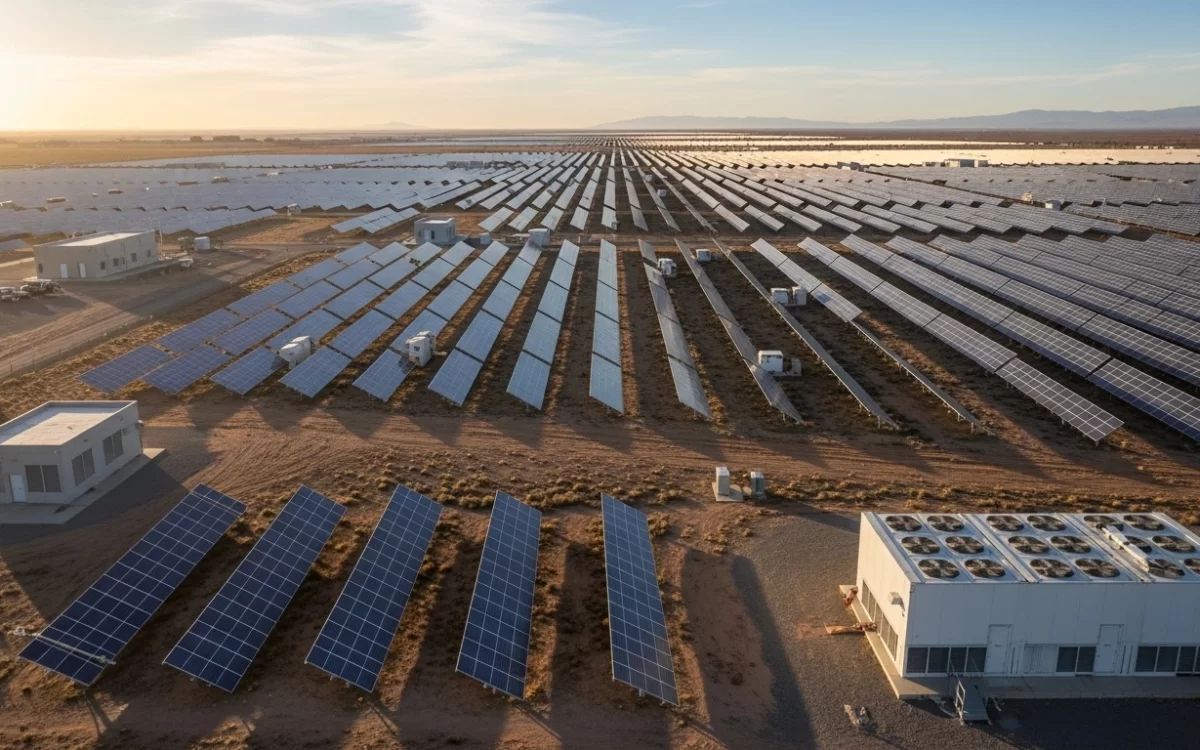
The performance of a solar project depends on solar PV plant efficiency. Importantly, installed capacity alone does not determine output. Moreover, each component plays a crucial role. In India and Nepal, inefficiencies in modules, inverters, cabling, or mounting systems can reduce energy yield by 2–5 percent. Therefore, early optimization is essential. It ensures compliance with local standards, increases output, and improves ROI for grid-tied solar systems.
Component Choices That Maximize Solar PV Plant Efficiency
Each component directly impacts energy production and reliability.
Photovoltaic Modules: Monocrystalline panels offer efficiencies above 22 percent. They work well in space-limited areas but are sensitive to heat. Polycrystalline modules provide slightly lower efficiency but maintain steady output in hot regions. Modules degrade 0.5–0.8 percent per year. As a result, choosing the right type is critical for long-term efficiency.
Inverters: String inverters allow module-level MPPT, which improves output under partial shading. Central inverters suit uniform large installations. Hybrid inverters allow future storage integration. Additionally, following CEA India (https://cea.nic.in) and NEA Nepal (https://nea.org.np) standards keeps the system safe. Consequently, overall plant efficiency improves.
Cabling and Mounting: Proper DC cabling reduces resistive losses. Surge protection and grounding safeguard the system. Mounting structures must resist corrosion, wind, snow, and earthquakes, especially in Nepal. Otherwise, hidden losses and maintenance costs can increase. Together, these choices form the foundation for reliable solar PV plant efficiency.
Real-Time Monitoring to Sustain Solar PV Plant Efficiency
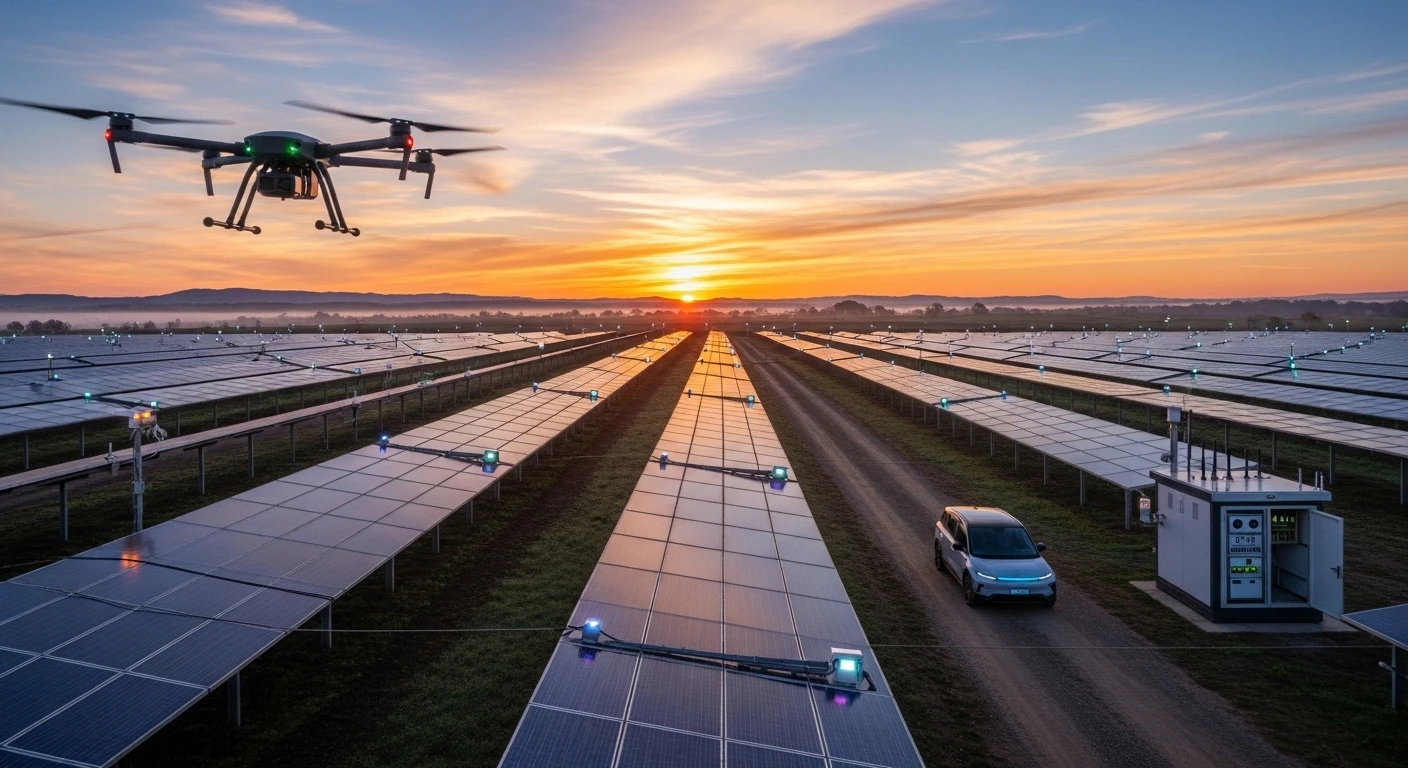
Even with optimal components, performance can drop without monitoring. To address this, IoT-enabled SCADA platforms help operators detect underperforming modules. They also predict potential failures and improve dispatch schedules. Furthermore, proactive monitoring reduces downtime and preserves efficiency. Studies in South Asia report up to 15 percent less annual downtime using predictive analytics (https://www.sciencedirect.com). As a result, energy output and ROI increase.
Regional Considerations in India and Nepal
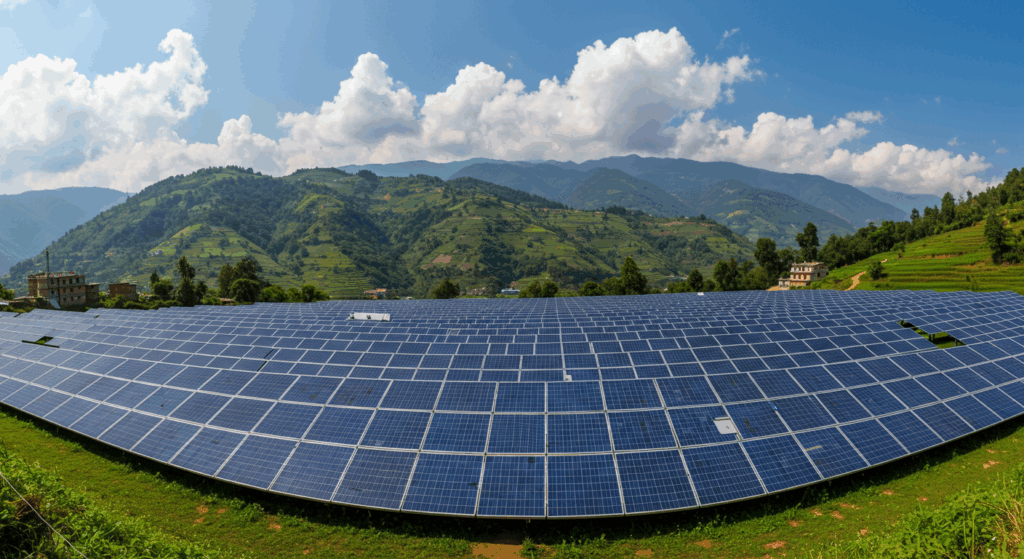
Local conditions guide component selection and design.
In India, high solar irradiance supports strong generation. However, extreme heat and dust require heat-resistant modules and proper inverter cooling. Also, large installations need consistent component quality to avoid overall efficiency loss.
In Nepal, cooler high-altitude regions improve module performance. For example, earthquakes and monsoon rainfall require stronger mounts and careful cabling. Following NEA standards (https://nea.org.np) ensures safe grid integration and long-term efficiency. Consequently, adapting to these regional challenges maintains solar PV plant efficiency throughout the plant’s operational life.
Maximizing returns requires more than installing capacity. Indeed, solar PV plant efficiency depends on careful component selection, monitoring, and adaptation to environmental conditions. In addition, organizations that optimize modules, inverters, cabling, and mounts from the start reduce downtime, improve compliance, and strengthen long-term ROI. Ultimately, every component-level decision supports sustained plant performance.