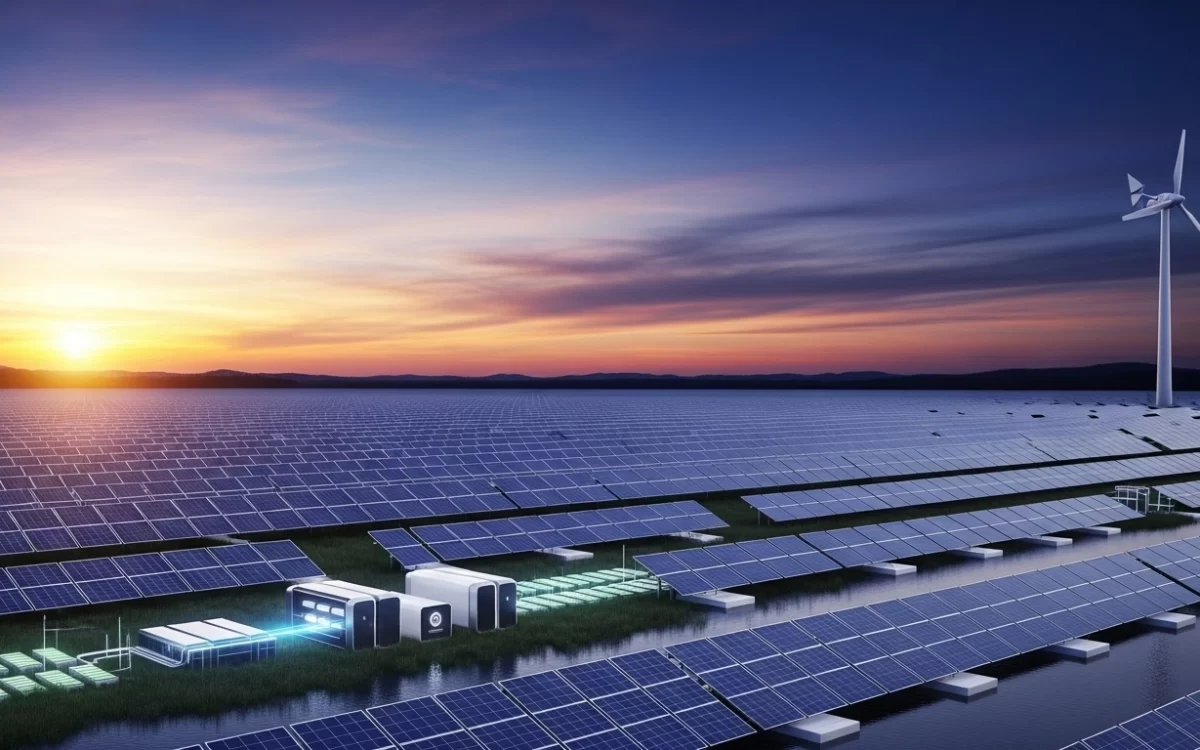
Solar energy innovations in 2025 are helping PV plants overcome efficiency gaps caused by outdated technology. In India and Nepal, old inverters, limited monitoring, and insufficient integration often reduce energy output and increase operational costs. Therefore, projects that adopt modern innovations can significantly boost efficiency, reliability, and long-term ROI. The following five advancements provide practical ways to enhance plant performance.
1. Smart Inverters for Smarter Grids
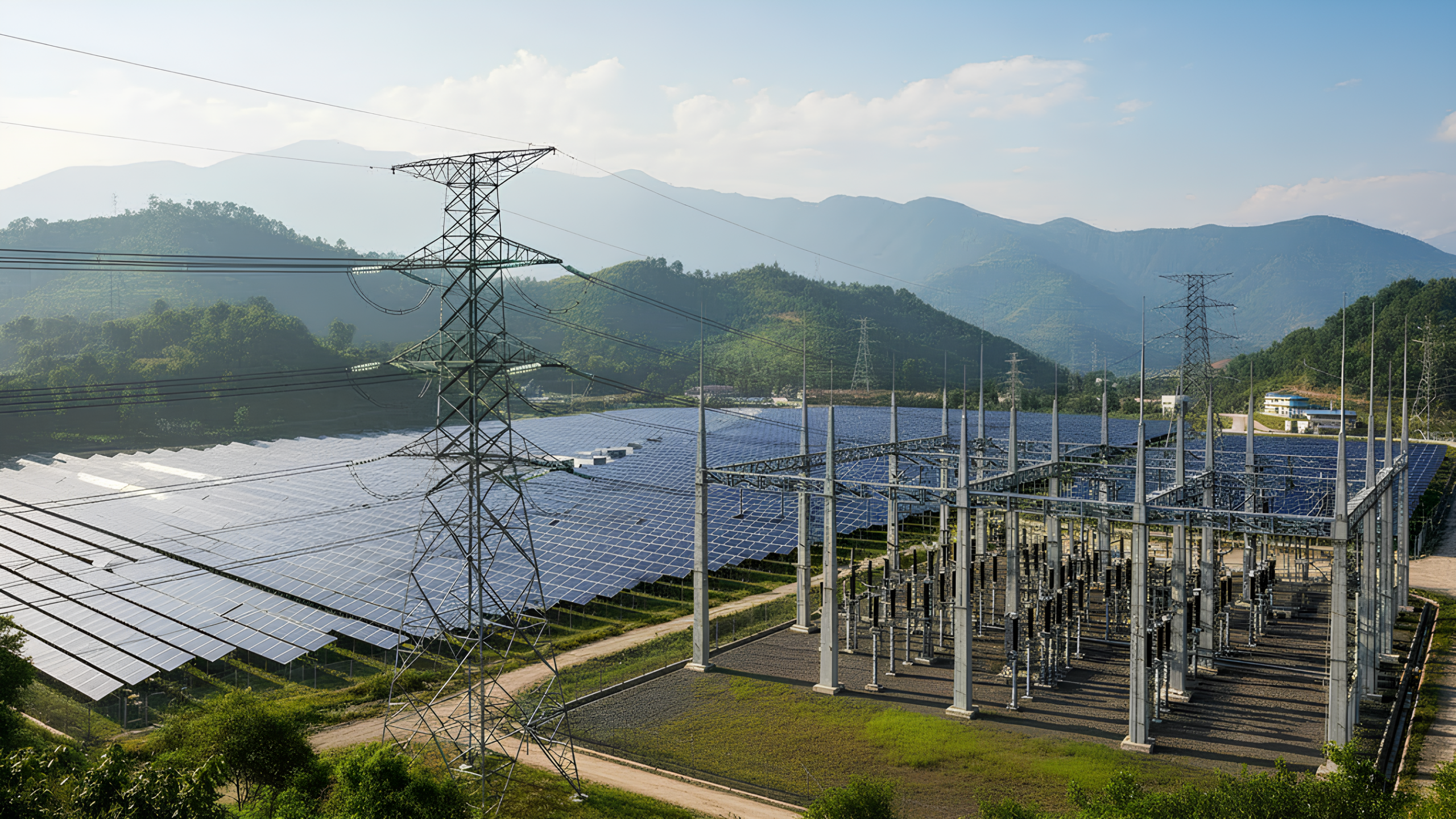
Smart inverters regulate voltage and frequency and provide reactive power compensation. Moreover, they reduce harmonics and enable predictive maintenance. As a result, unplanned downtime is minimized, improving overall plant efficiency. In India, for instance, smart inverters help stabilize grid voltage during high-irradiance periods, while in Nepal, they improve reliability in remote installations. NREL guide provides further technical details.
2. Bifacial Solar Panels for Higher Yield
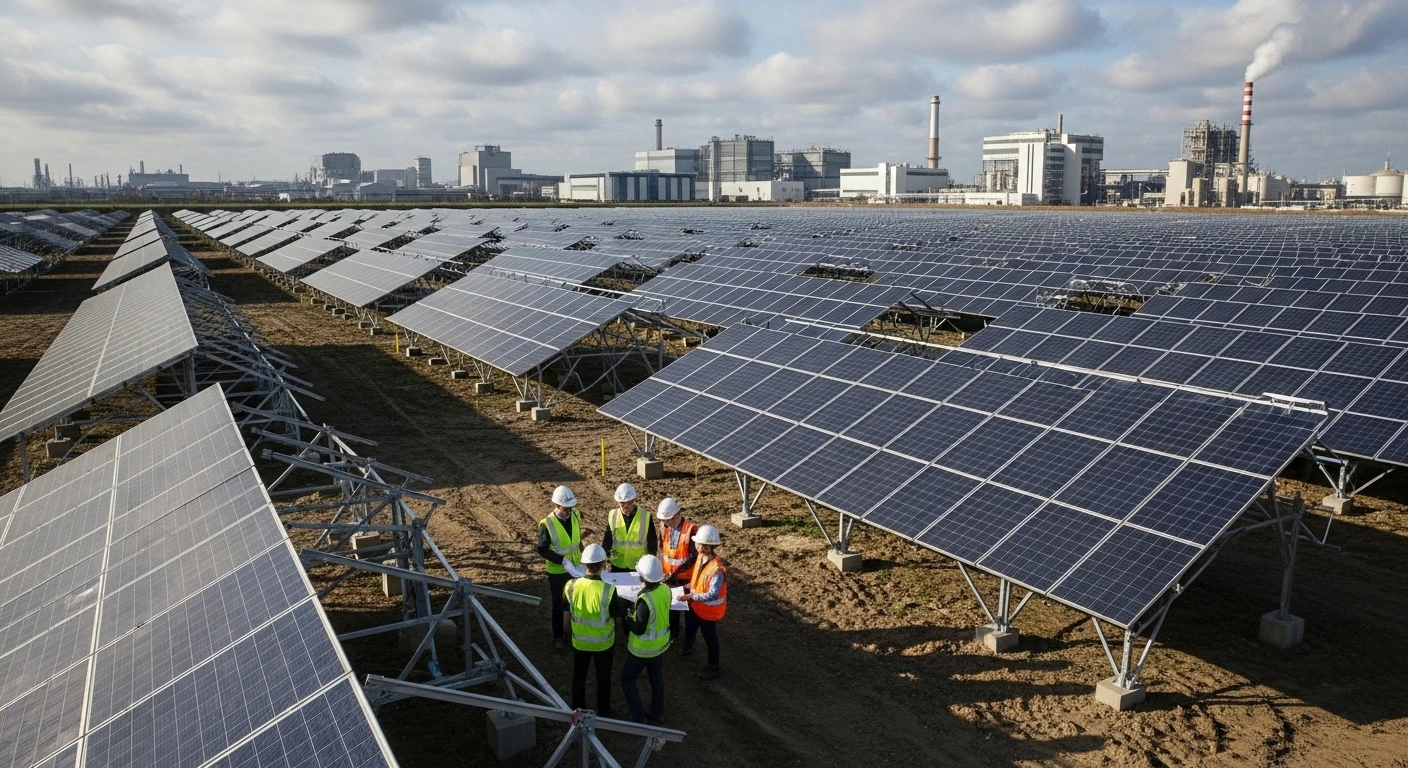
Bifacial modules capture sunlight on both faces, increasing annual energy yield by 10–25 percent depending on ground albedo and tilt. In addition, they perform well on reflective surfaces such as light-colored gravel or near water bodies. Their durability and efficiency make them suitable for both rooftop and utility-scale installations. Consequently, incorporating bifacial panels helps plants maximize output without additional land use. Research from IRENA highlights global bifacial adoption trends.
3. Floating Solar for Land and Cooling Benefits
Floating PV systems save land while providing natural cooling, which improves module efficiency by 5–8 percent. Furthermore, corrosion-resistant floats and hydrodynamic designs ensure stability under variable water conditions. As a result, floating PV is an effective solution for reservoirs, lakes, and other water bodies, especially in regions where land availability is limited. The IEA provides detailed deployment guidance for floating solar systems.
4. Hybrid Solar Systems with Storage
Hybrid solar systems integrate PV with battery storage, reducing reliance on unstable grids. Moreover, they allow peak shaving, provide frequency support, and ensure uninterrupted power supply. Consequently, hybrid systems improve capacity factors and unlock new revenue streams through energy shifting. In addition, careful inverter-storage coordination ensures compliance with local grid standards in both India and Nepal.
5. Advanced Monitoring and Analytics
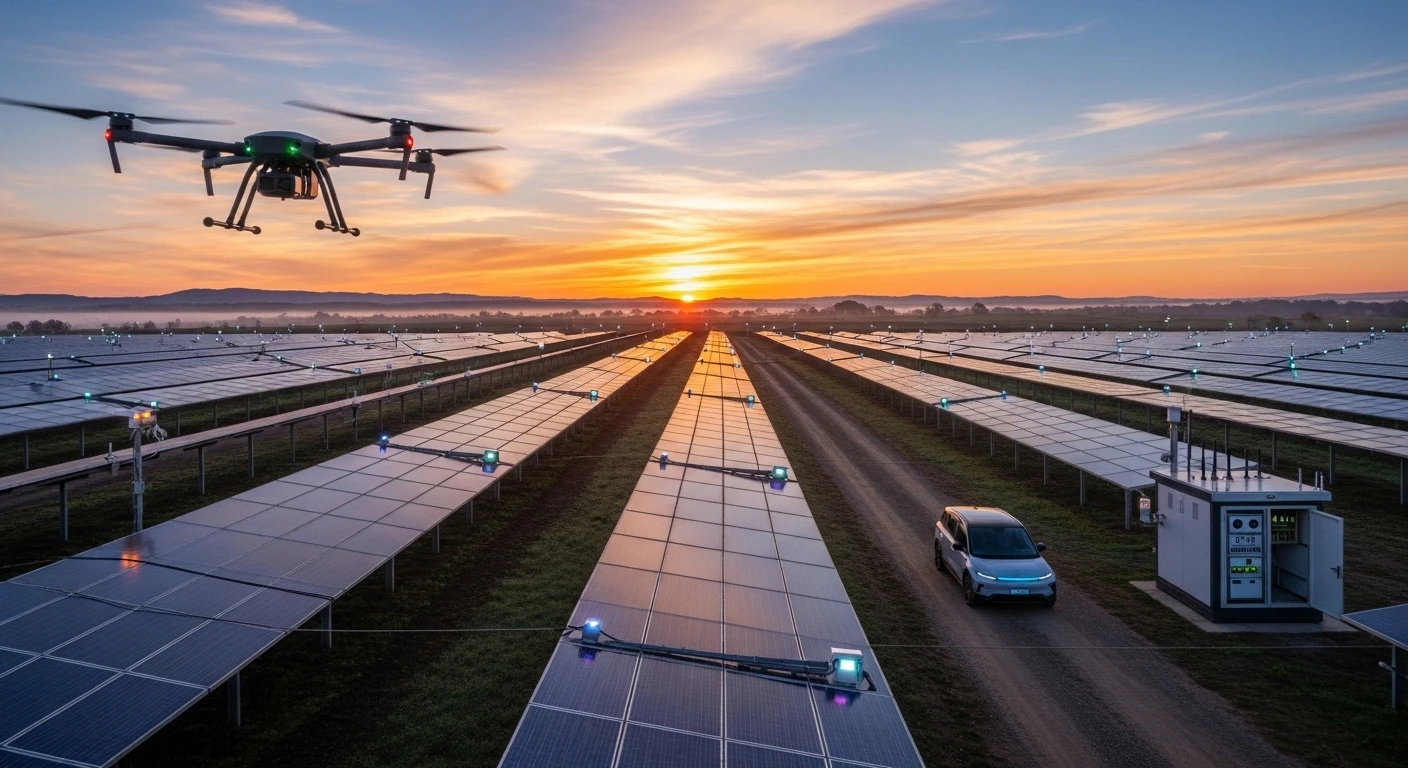
IoT-based monitoring platforms collect real-time module data and feed it into AI analytics. This enables operators to detect underperforming strings, forecast potential failures, and optimize dispatch schedules. As a result, O&M costs are lowered, downtime is minimized, and overall plant efficiency improves. Studies in South Asia show up to 15 percent less annual downtime when predictive analytics are implemented, directly boosting ROI.
Maximizing ROI Through Solar Energy Innovations
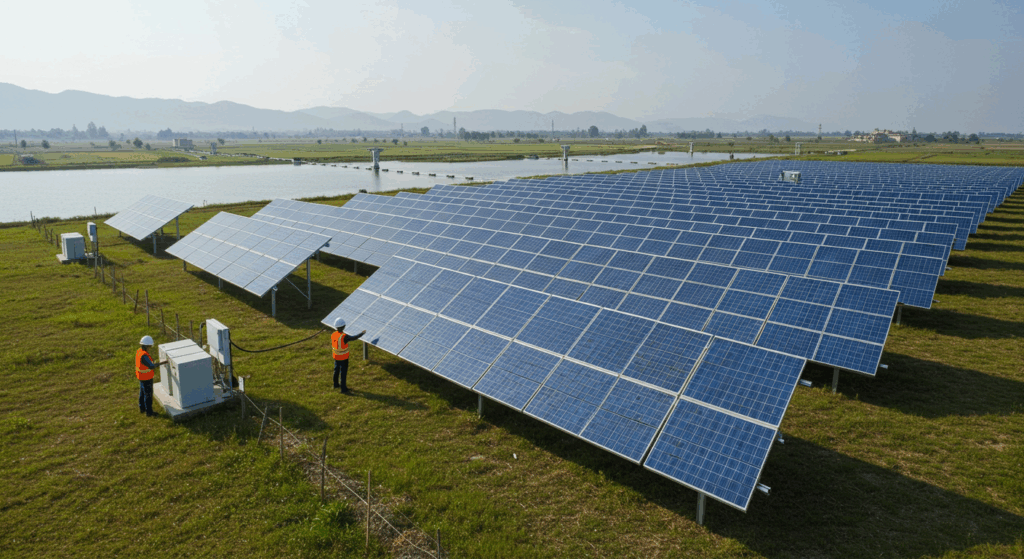
Adopting these five innovations increases energy capture and reduces lifecycle costs. In practice, deploy them using a staged approach:
-
- pilot one innovation (for example, bifacial layout or smart inverters),
-
- validate actual yield uplift with monitored data, and
-
- scale once results meet financial targets.
In addition, involving engineering and procurement teams early ensures compliance with local regulations and optimal system design. For related insights, see our blog on Proven Technical Decisions That Can Boost Solar PV Plant Efficiency
In 2025, solar energy innovations such as smart inverters, bifacial modules, floating PV, hybrid systems, and AI-based analytics provide actionable paths to higher yield, improved reliability, and stronger ROI. By combining these technologies with site-specific planning, monitoring, and phased implementation, PV plants in India and Nepal can achieve predictable, long-term performance.