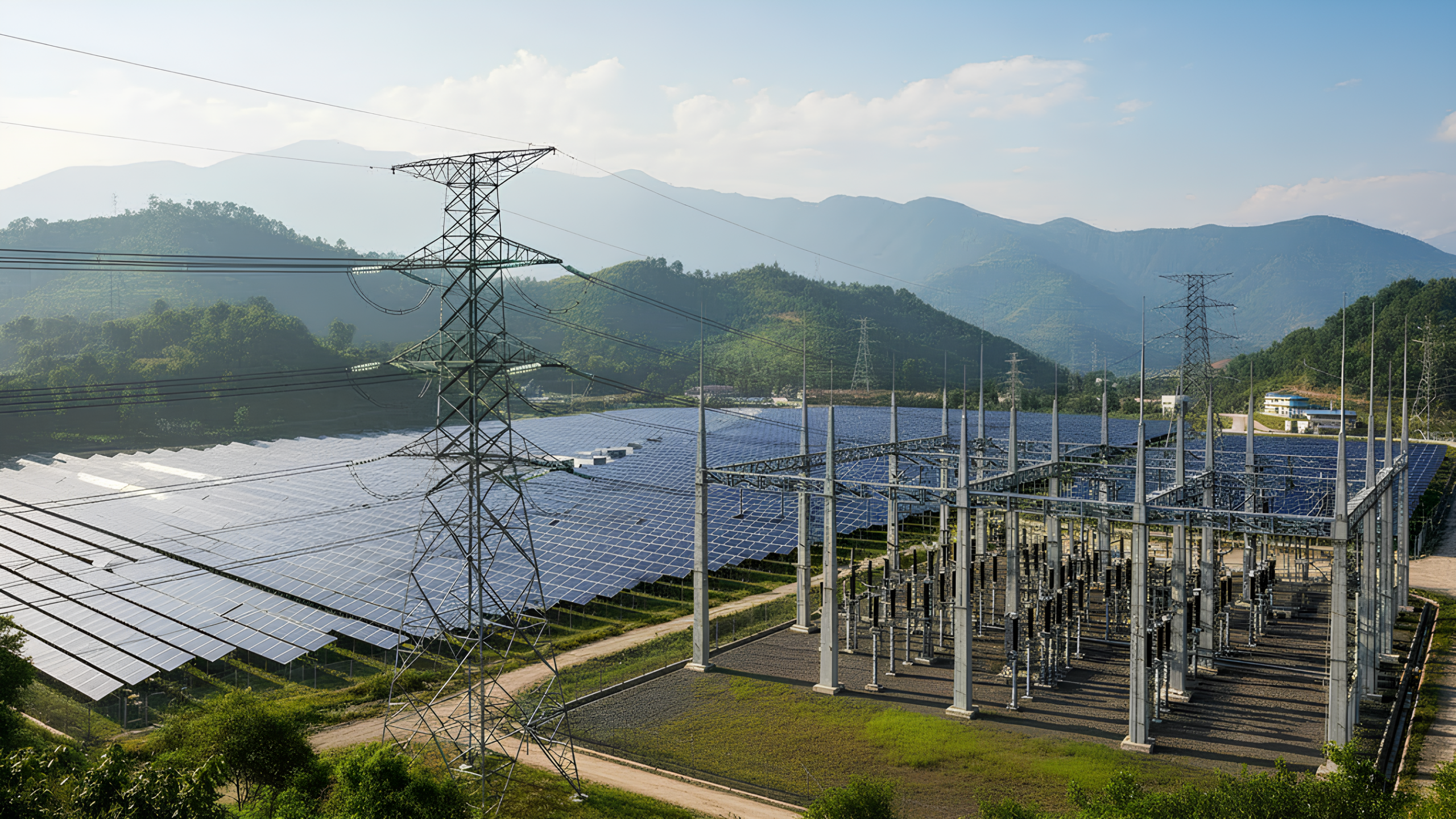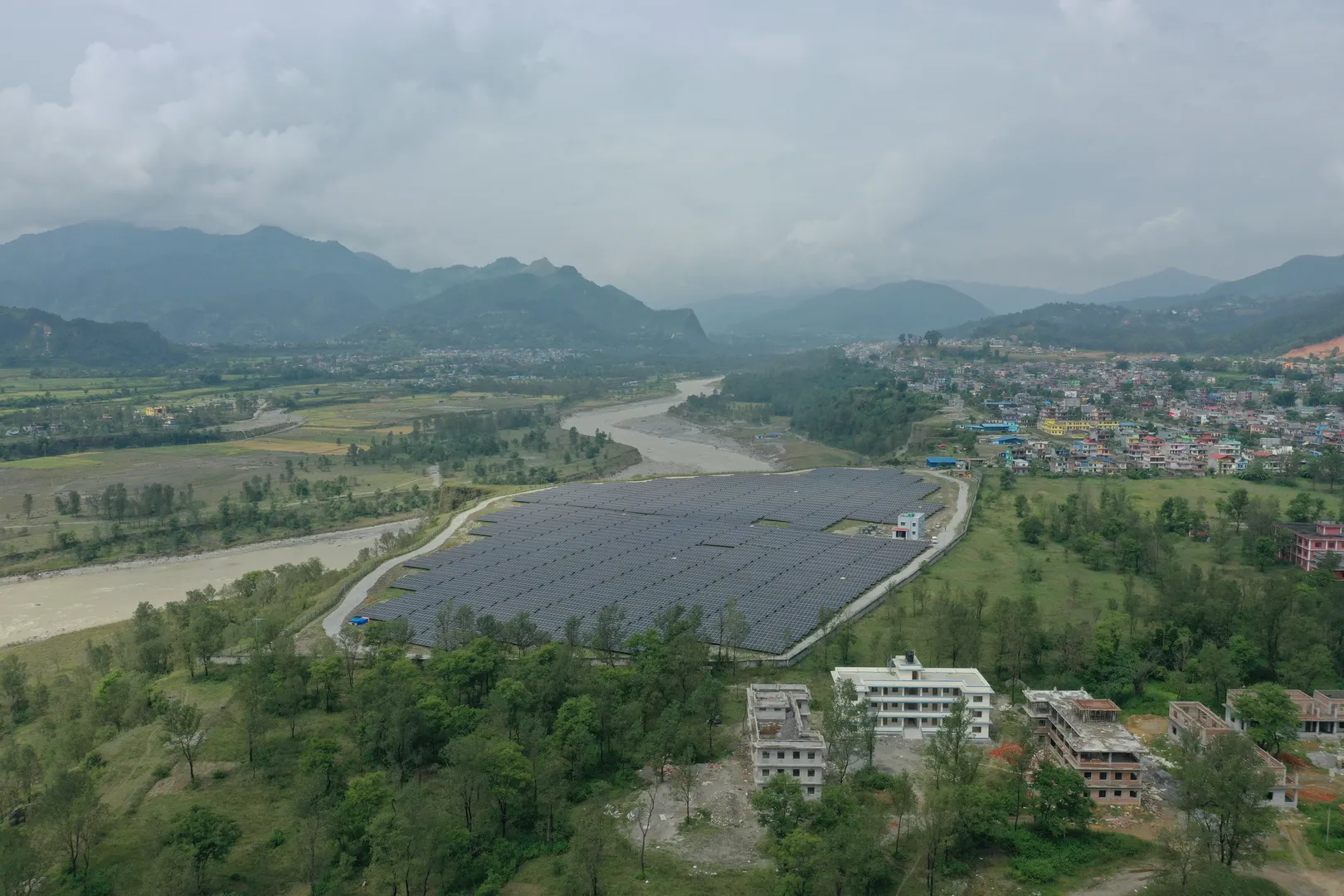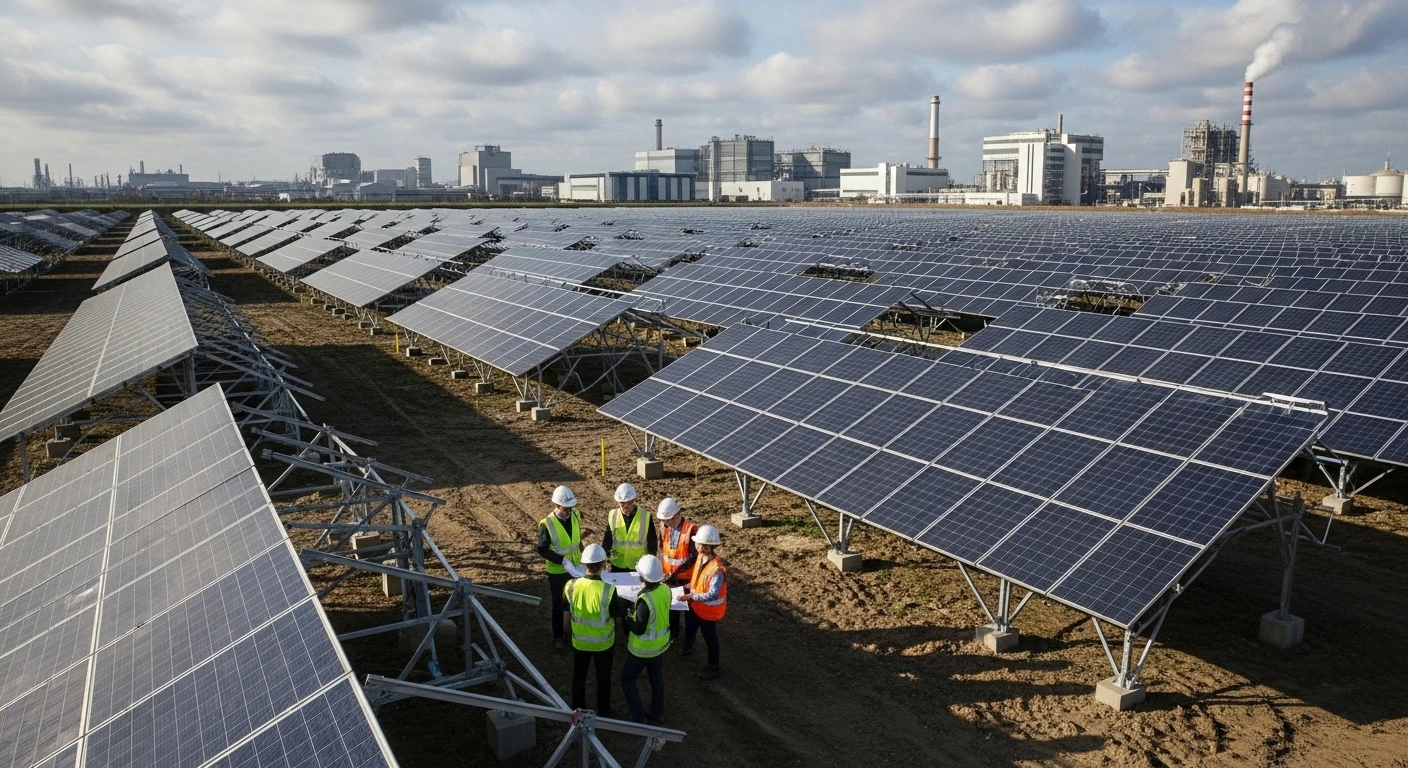
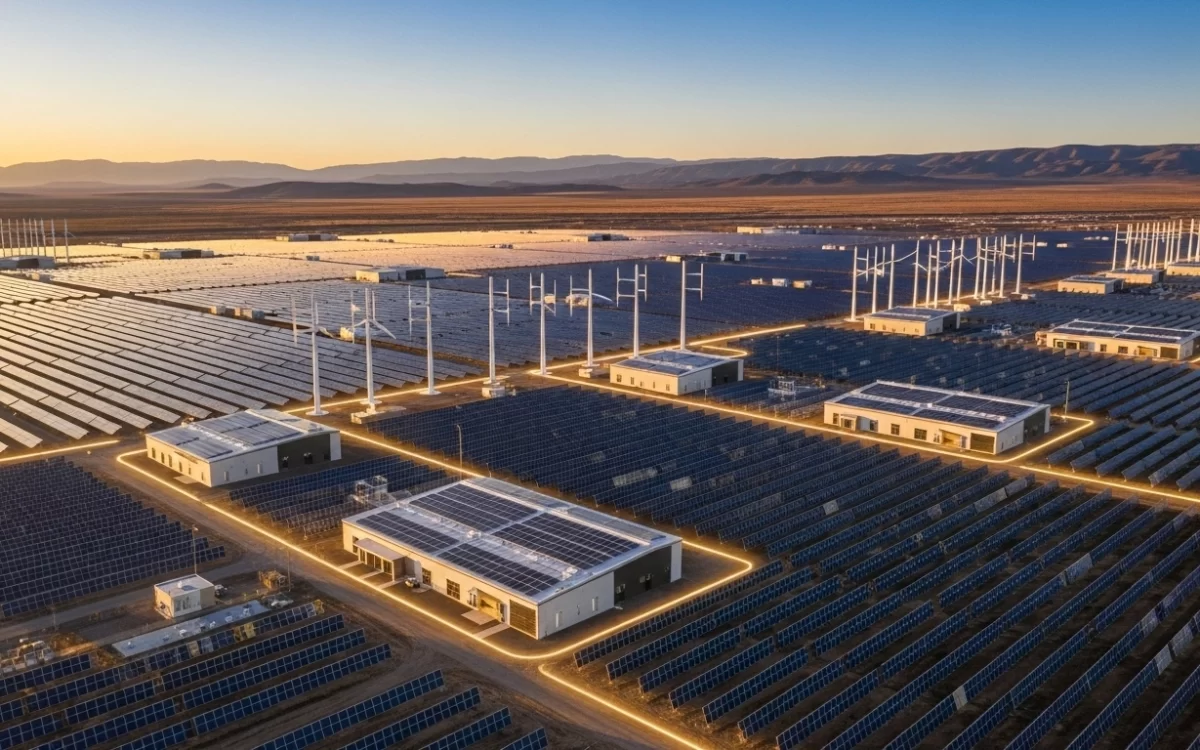
Industrial hybrid solar systems provide reliable power for facilities with unstable grid supply in India and Nepal. By combining grid-tied PV with battery storage, these systems ensure uninterrupted energy, improve operational efficiency, and optimize financial returns. Energy management systems dynamically balance loads, reduce grid dependency, and help manage peak tariff costs. For further technical insights, see the REnergo blog library.
Why Hybrid Solar Systems Outperform Standalone Grid-Tied Systems
Standalone grid-tied systems perform well under stable grids but cannot provide backup during outages or support peak-shaving using stored energy. In contrast, industrial hybrid solar systems increase energy yield by 8–15 percent, extend battery lifespan through optimized depth-of-discharge, and maintain power for critical loads during interruptions. These advantages make hybrid systems a more reliable and financially rewarding choice.
Technical and Financial Benefits
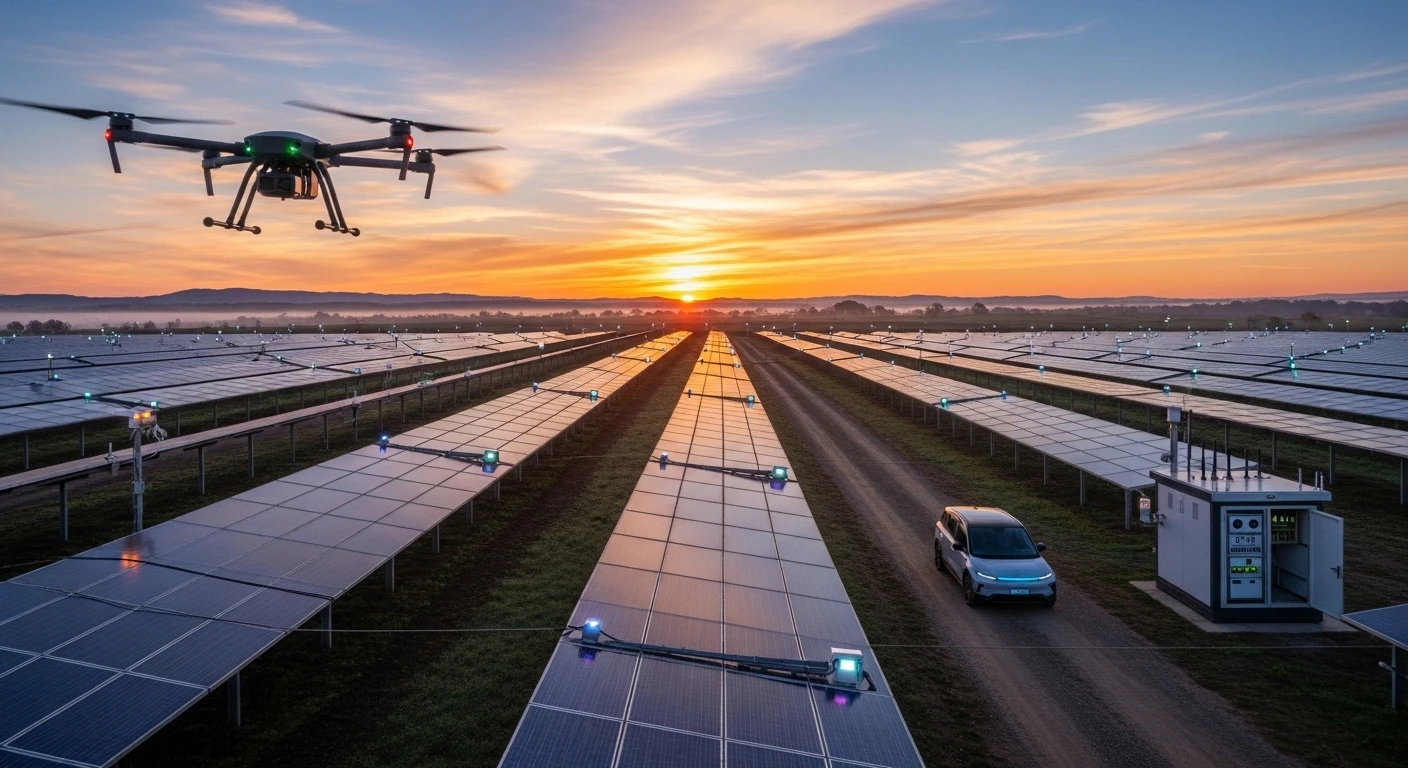
Industrial hybrid solar systems combine advanced technical design with operational resilience. Features such as multi-MPPT inverters, intelligent battery management, and predictive monitoring help industrial plants maximize output, reduce downtime, and achieve higher ROI. For external guidance on technical design and battery integration, refer to the IRENA Hybrid PV Systems Report.
Closing Insights
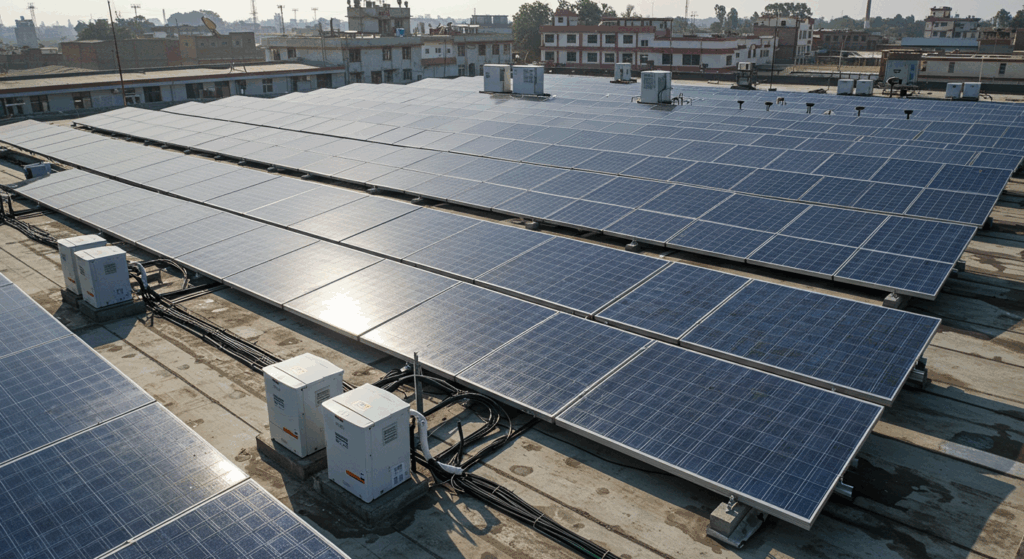
Industrial hybrid solar systems allow businesses to:
-
- Increase energy yield by 8–15 percent compared to conventional grid-tied systems
-
- Reduce reliance on unstable grids while managing peak tariffs efficiently
-
- Strengthen long-term ROI with optimized design, storage management, and predictive monitoring
By adopting hybrid solar solutions thoughtfully, industrial clients can secure uninterrupted energy, maximize efficiency, and optimize financial returns. Explore how integrating industrial hybrid solar systems can enhance your projects’ performance and sustainability.