Browsing Category: CleanEnergyTransition

  • All Post
  • Industrial Solar Adoption
  • Renewable Energy News
  • Solar Energy Updates
  • Solar Project Engineering
  • Solar Tech & Innovations
Commercial Rooftop Solar: Secrets to an 18% ROI Increase

September 30, 2025/

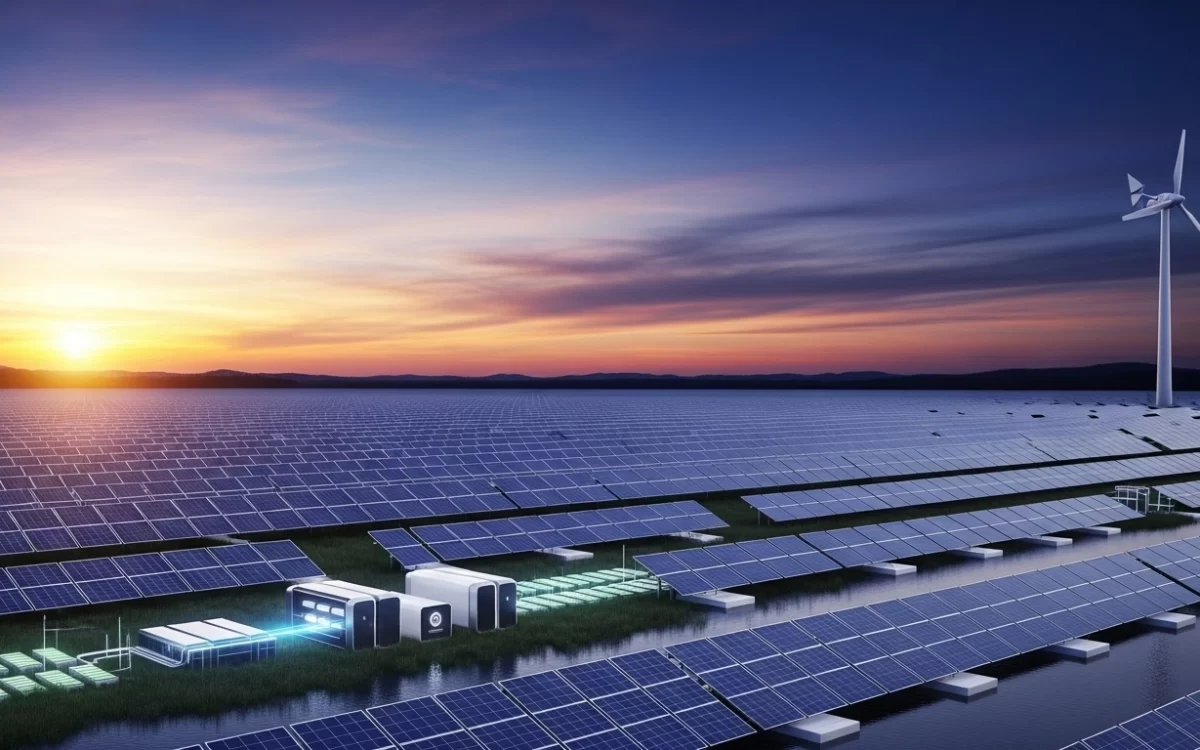
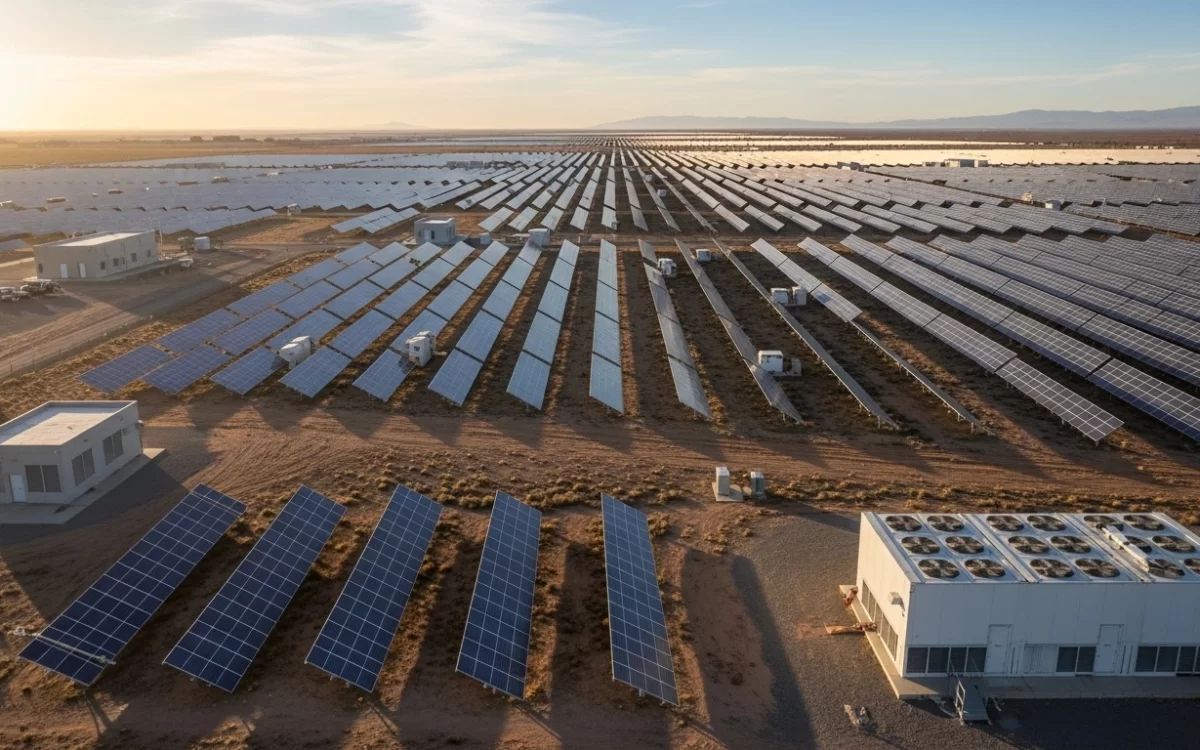
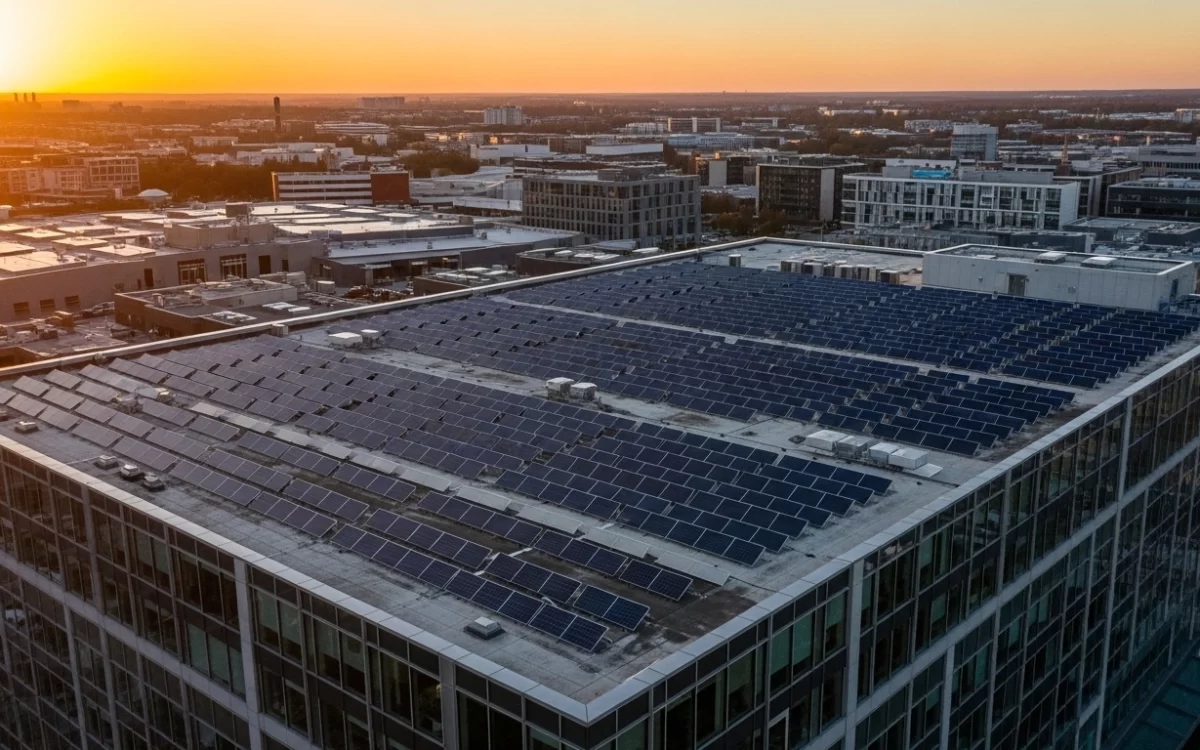
Commercial rooftop solar projects often face unique challenges. Limited roof space, shading, and structural load restrictions can reduce energy output. In India and Nepal, projects that combine precision engineering, optimized module placement, and predictive monitoring have achieved up to 18% higher ROI compared to conventional designs. Optimized Module Layout and Electrical Design High-resolution shadow mapping and structural simulations guide the placement of high-efficiency bifacial modules. These modules capture both direct and reflected...
Hybrid Solar Systems: Unlock 8–15% More Energy and ROI

September 28, 2025/

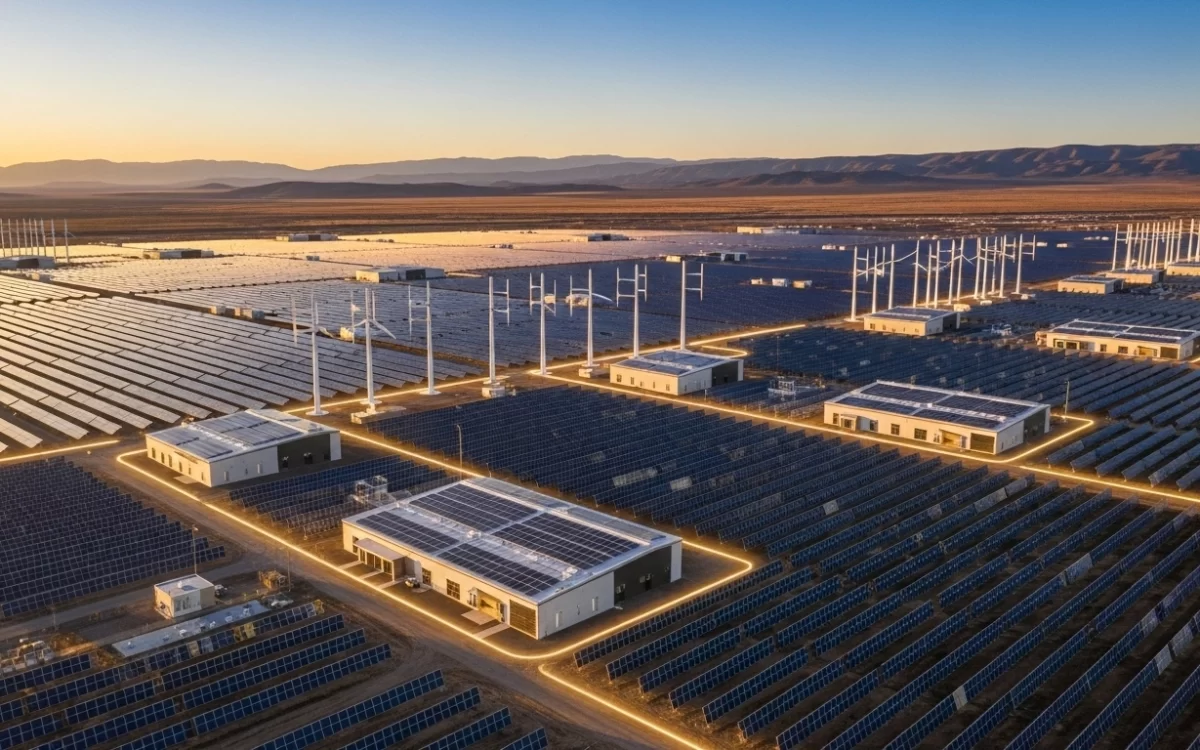
Industrial hybrid solar systems provide reliable power for facilities with unstable grid supply in India and Nepal. By combining grid-tied PV with battery storage, these systems ensure uninterrupted energy, improve operational efficiency, and optimize financial returns. Energy management systems dynamically balance loads, reduce grid dependency, and help manage peak tariff costs. For further technical insights, see the REnergo blog library. Why Hybrid Solar Systems Outperform Standalone Grid-Tied Systems Standalone grid-tied systems perform...

Floating Solar: Achieve 10% More Energy on Tight Land

September 26, 2025/

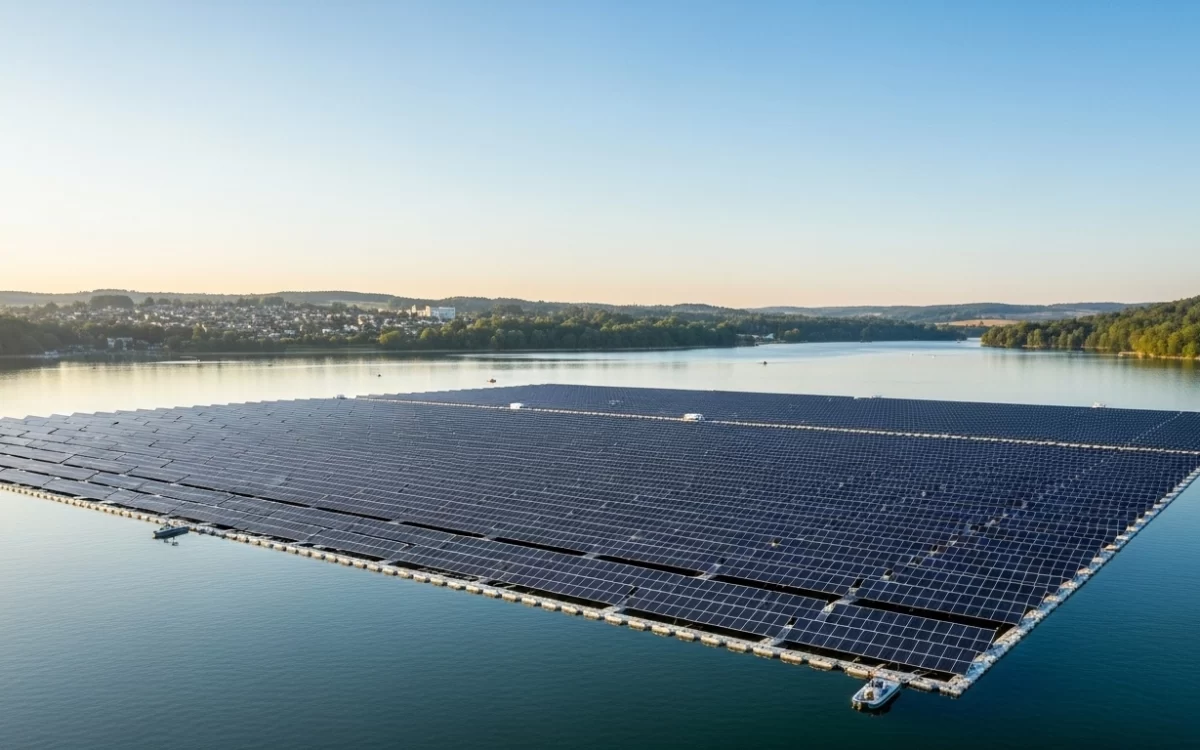
Urban expansion and rising industrial energy demand in India and Nepal limit land availability for traditional ground-mounted PV installations. Floating solar provides a practical alternative, delivering land savings while boosting energy production. Natural water cooling lowers module temperatures by 3–5°C, improving efficiency by 5–10 percent. Design and Structural Stability Floating solar systems use hydrodynamic designs and robust anchoring to stay stable against currents and waves. Corrosion-resistant floats and UV-stable materials ensure long-term...

Solar Energy Innovations Closing 2025: Five Breakthroughs to Watch

September 24, 2025/

Solar energy innovations in 2025 are helping PV plants overcome efficiency gaps caused by outdated technology. In India and Nepal, old inverters, limited monitoring, and insufficient integration often reduce energy output and increase operational costs. Therefore, projects that adopt modern innovations can significantly boost efficiency, reliability, and long-term ROI. The following five advancements provide practical ways to enhance plant performance. 1. Smart Inverters for Smarter Grids Smart inverters regulate voltage and frequency...

Proven Technical Decisions That Can Boost Solar PV Plant Efficiency

September 23, 2025/

The performance of a solar project depends on solar PV plant efficiency. Importantly, installed capacity alone does not determine output. Moreover, each component plays a crucial role. In India and Nepal, inefficiencies in modules, inverters, cabling, or mounting systems can reduce energy yield by 2–5 percent. Therefore, early optimization is essential. It ensures compliance with local standards, increases output, and improves ROI for grid-tied solar systems. Component Choices That Maximize Solar PV...

How Nepal’s Smart Solar Factories Are Transforming Industrial Energy

July 6, 2025/

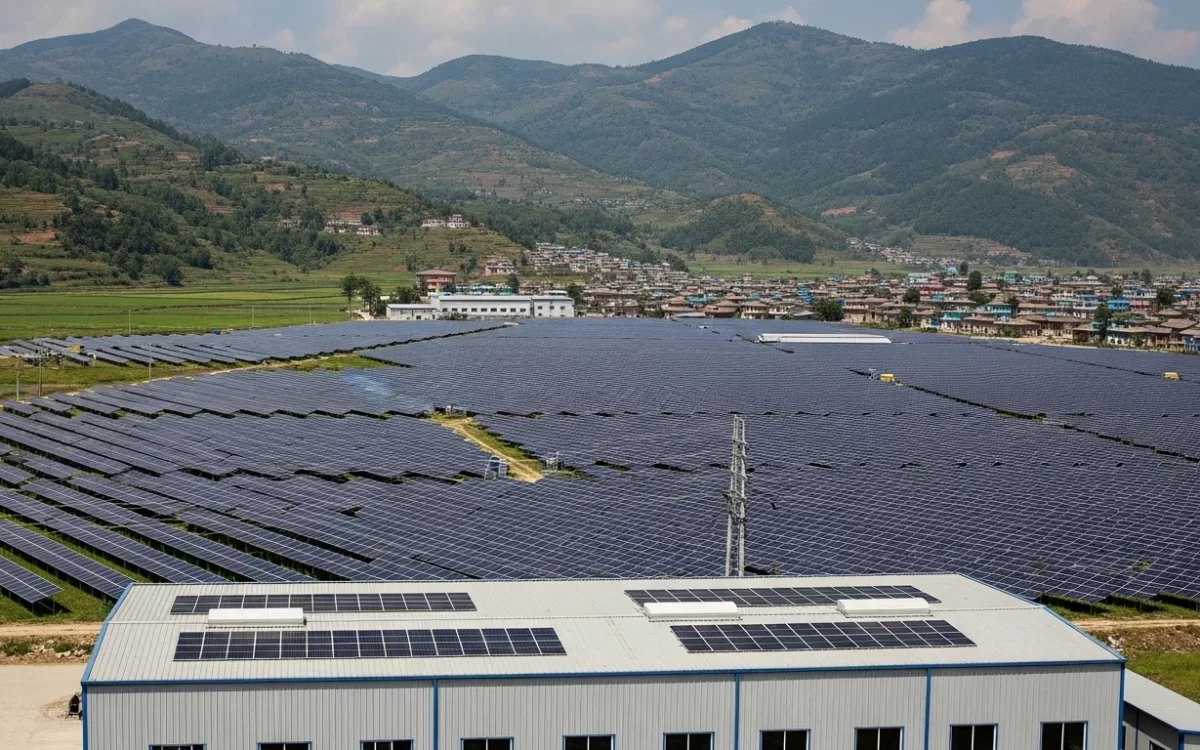
Nepal’s industrial momentum is undeniable. From Morang to Sunsari and beyond, factories are scaling, innovating, and expanding. But one challenge continues to hold them back: unreliable power supply. The return of frequent load shedding and unexpected grid failures in recent months has once again disrupted operations across Nepal’s key industrial corridors. Machines stop mid-process. Raw materials get wasted. Deliveries are delayed. While diesel generators offer a temporary solution, they are expensive, polluting,...

India Now Ranks Third in Solar and Wind Power Worldwide

April 17, 2025/

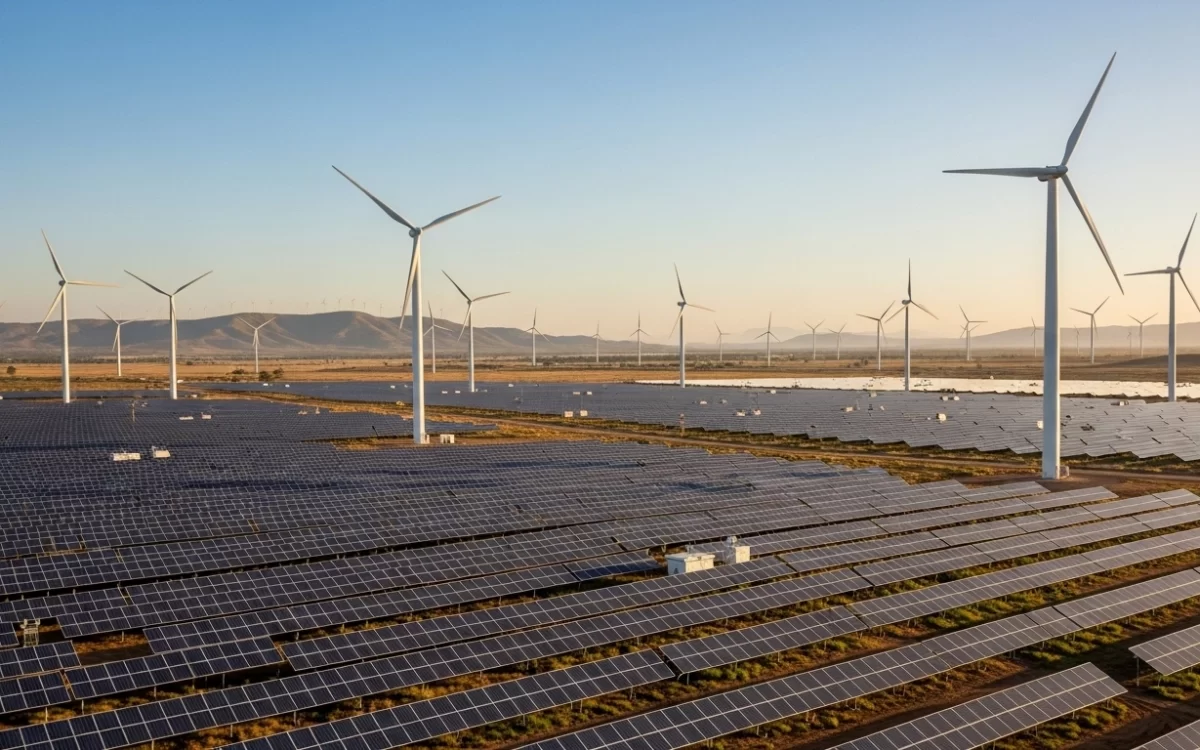
India has officially become the world’s third-largest producer of wind and solar electricity, surpassing Germany in a milestone that reflects the country’s expanding role in the global clean energy transition. According to Ember’s Global Electricity Review 2024, wind and solar together contributed 10% of India’s electricity generation, with solar alone accounting for 7%.

Edit Template

© Copyright 2025 REnergo developer. | All rights reserved

Developed By  The Doorway Technology